
Why the Right Compressor Makes All the Difference
Selecting the correct air compressor for oxygen concentrator systems is one of the most important decisions a facility manager, medical professional, or industrial operator can make. A mismatched compressor can reduce the efficiency of your oxygen concentrator, increase operational costs, and shorten the lifespan of both units significantly.
The compressor for oxygen concentrator must deliver a steady, clean, and oil-free airstream at the precise flow rate and pressure the concentrator requires. Too little airflow and the concentrator underperforms. Too much, and you waste energy and risk damaging sensitive molecular sieve beds.
This complete selection guide walks you through every factor that matters: pressure ratings, flow rate compatibility, noise output, oil-free requirements, and how to match compressor specifications to your specific oxygen concentrator model.
Further Reading: Looking for the best oil-free air compressors for industrial and medical applications? Visit our comprehensive guide at
oil-free-air-compressor.com for expert reviews, specifications, and buying advice on premium oil-free compressor technology.
Core Requirements: What Your Compressor Must Deliver
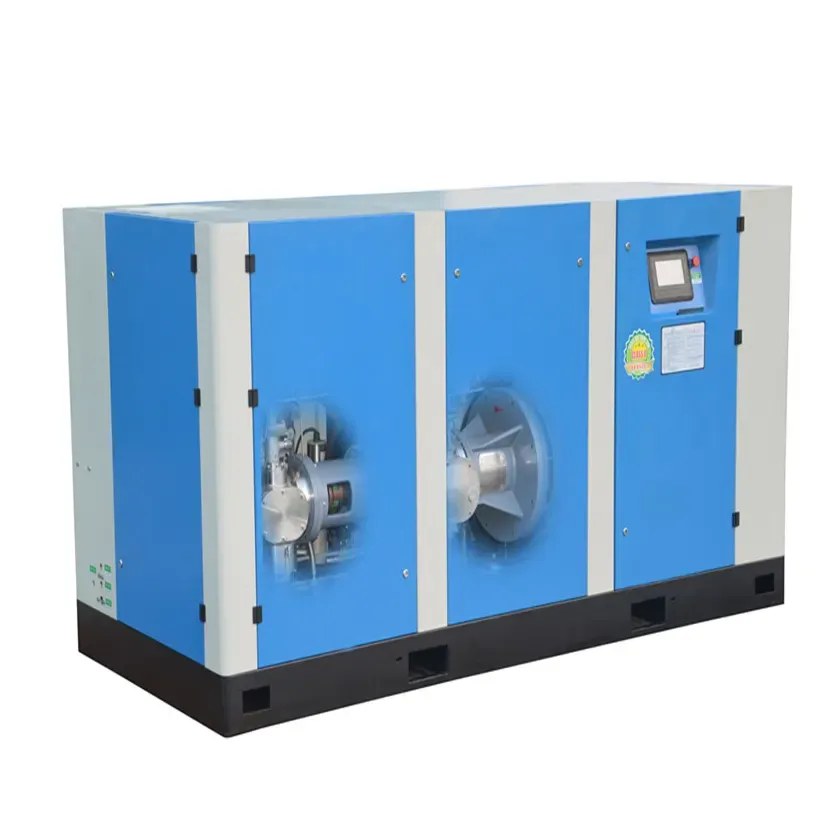
A high-performance oil-free compressor suitable for pairing with PSA oxygen concentrators
Before comparing models, you need to understand the technical baseline. Every air compressor for oxygen concentrator pairing must satisfy these non-negotiable requirements:
Oil-Free Operation
Any oil contamination entering the molecular sieve beds of a concentrator will permanently damage them. Only oil-free air compressors should be used.
Correct Pressure Range
Most PSA oxygen concentrators operate between 4 and 10 bar. Match your compressor output to the concentrator inlet specification.
Matched Flow Rate
The compressor must deliver the exact CFM or LPM the concentrator demands. Measure at operating pressure, not free air delivery.
Low Vibration Design
A low vibration compressor for oxygen concentrator prevents mechanical stress on the concentrator housing and minimises noise.
Thermal Stability
Continuous-duty compressors maintain consistent temperature, which is critical for stable oxygen purity output.
Easy Maintenance
Choose models with accessible filter elements, simple belt or direct drive designs, and readily available service parts.
Understanding PSA Oxygen Concentrators and Compressor Demands
Pressure Swing Adsorption (PSA) technology is the backbone of most industrial and medical oxygen concentrators. Understanding how PSA works will help you select the most compatible air compressor for oxygen generator systems.
In a PSA concentrator, compressed air is passed through a vessel containing zeolite molecular sieves. The zeolite adsorbs nitrogen from the incoming air, allowing oxygen-enriched gas to pass through. When the vessel reaches saturation, the system switches to a second vessel while the first regenerates by venting to atmosphere.
This cycling process creates a variable demand on the compressor. The best air compressor for oxygen concentrator in a PSA system must handle these cyclic pressure fluctuations without hunting, surging, or losing stability. Reciprocating piston compressors and rotary screw compressors are both widely used, each with distinct advantages for different PSA system sizes.
Types of Air Compressors for Oxygen Concentrator Systems
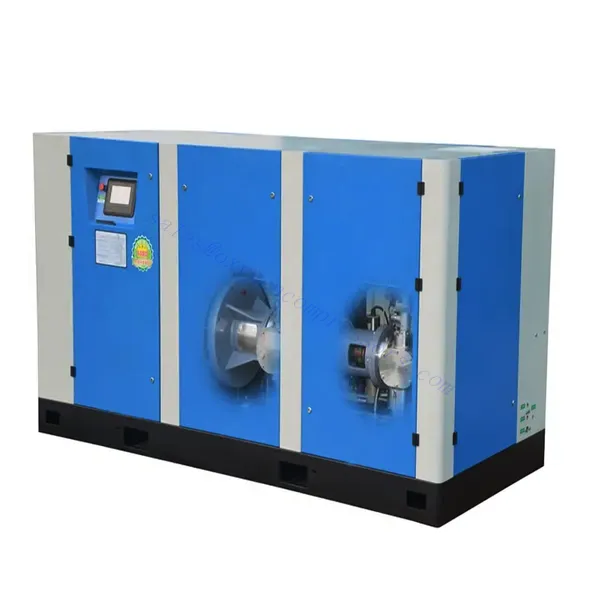
Different compressor types suit different oxygen concentrator sizes and applications
1. Oil-Free Reciprocating Piston Compressors
The oil free compressor for oxygen concentrator market is dominated by reciprocating piston designs for smaller and medium-scale applications. These compressors use PTFE-lined or ceramic piston rings that operate without lubrication. They are compact, relatively affordable, and well-suited to PSA concentrators producing 5 to 100 litres per minute of oxygen.
2. Oil-Free Rotary Screw Compressors
For larger industrial oxygen concentrators producing hundreds of cubic metres per hour, oil-free rotary screw compressors are the preferred choice. They deliver continuous, pulse-free airflow with excellent energy efficiency. The initial investment is higher, but operating costs over a 10-year lifespan are typically lower.
3. Linear (Free Piston) Compressors
Low vibration compressor for oxygen concentrator applications increasingly use linear free-piston designs. These compressors have no crankshaft, producing extremely smooth airflow with vibration levels below 40dB. They are ideal for home medical oxygen systems and quiet clinical environments.
4. Diaphragm Compressors
For laboratory-scale oxygen concentrators and where absolute purity is paramount, diaphragm compressors eliminate all risk of oil contamination. The compression chamber is sealed by a flexible membrane, creating a completely oil-free gas path. Flow rates are typically lower, making them best suited to analytical and research applications.
Compressor Selection by Oxygen Concentrator Size
| Concentrator Output | Recommended Compressor Type | Pressure Range | Flow Rate Needed | Best For |
|---|---|---|---|---|
| 0 to 10 LPM | Oil-Free Linear / Diaphragm | 3 to 5 bar | 30 to 80 LPM FAD | Home medical use |
| 10 to 50 LPM | Oil-Free Reciprocating Piston | 5 to 7 bar | 80 to 300 LPM FAD | Clinic / small industrial |
| 50 to 200 LPM | Oil-Free Reciprocating 2-stage | 6 to 10 bar | 300 to 1200 LPM FAD | Hospital / medium plant |
| 200 LPM to 1 m3/h | Oil-Free Rotary Screw | 6 to 10 bar | 1200 to 6000 LPM FAD | Large industrial PSA |
| Above 1 m3/h | Centrifugal / Multi-stage Screw | Up to 12 bar | Custom spec | Industrial oxygen plant |
Always size your compressor to deliver 20 to 30 percent more free air than the concentrator nameplate demands. This headroom accounts for altitude, temperature variation, filter resistance, and future capacity expansion without stressing the compressor motor.
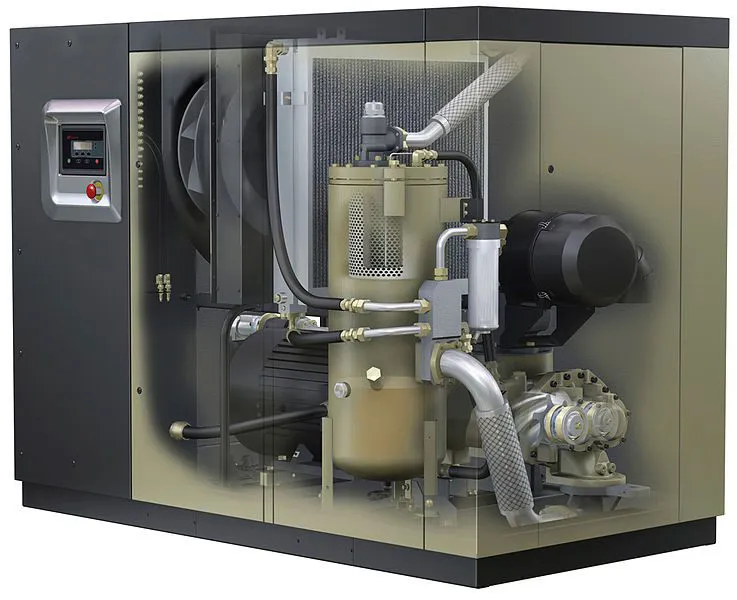
Compact oil-free air compressors for small to medium oxygen concentrator systems
Installation and Integration Best Practices
Verify Inlet Specifications
Obtain the exact inlet pressure, flow rate, and temperature requirements from your oxygen concentrator manufacturer documentation before purchasing a compressor.
Install Adequate Filtration
Even oil-free compressors produce particulate matter from piston ring wear. Install a 0.01-micron coalescing filter and activated carbon filter before the concentrator inlet.
Use Anti-Vibration Mounts
Mount the compressor on rubber anti-vibration pads to isolate mechanical vibration from the concentrator and reduce noise transmission to flooring structures.
Ensure Adequate Ventilation
Position the compressor in a well-ventilated space with at least 500mm clearance on all sides. High ambient temperature reduces compressor efficiency and increases wear.
Install a Pressure Regulator
Even if your compressor delivers the correct average pressure, install a precision regulator at the concentrator inlet to smooth any pressure fluctuations from the compressor cycling.
Frequently Asked Questions
Ready to Find the Right Oxygen Compressor?
Our engineering team is ready to help you select the ideal unit for your application.