
What Is an Oxygen Tank Compressor and How Is It Used?
An oxygen tank compressor is equipment used to fill, refill, or pressurise oxygen storage tanks and cylinders. The term is used in both medical and industrial contexts, where users refer to the compressor that fills their oxygen tank rather than distinguishing between compressor and cylinder in technical terms. In practice, the oxygen tank compressor is either a high-pressure booster compressor that fills small portable cylinders or a large industrial gas compressor that charges bulk storage vessels.
Understanding what an oxygen tank air compressor does, how it differs from other compressor types, and how to select and operate one safely is important for medical facilities, industrial gas operations, diving centres, and anyone else who maintains a stock of oxygen cylinders.
Further Reading: Looking for the best oil-free air compressors for industrial and medical applications? Visit our comprehensive guide at
oil-free-air-compressor.com for expert reviews, specifications, and buying advice on premium oil-free compressor technology.
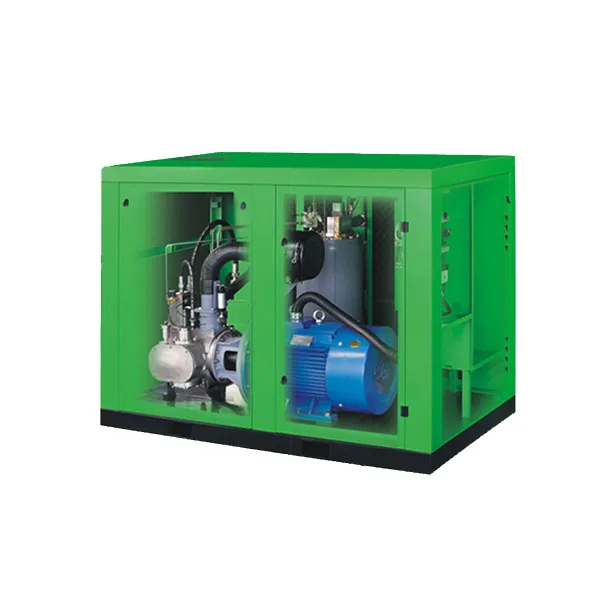
An oxygen tank compressor fills and pressurises oxygen cylinders for medical, industrial, and portable use
Types of Oxygen Tanks and Their Compressor Requirements
Medical Portable Cylinders
D, E, and M9-size aluminium or composite cylinders for portable medical oxygen therapy. Filled to 138 or 207 bar (2000 or 3000 PSI). Use a HomeFill or small piston booster compressor.
Hospital Bulk Cylinders
Large H or T-size cylinders and cylinder banks for hospital pipeline backup. Filled to 200 bar by industrial filling station compressors.
Diving and Breathing Apparatus
High-pressure 300 bar cylinders for SCUBA, fire brigade breathing apparatus, and military diving. Require specialised 300-bar oxygen-rated booster compressors.
Industrial Process Tanks
Large storage vessels for industrial oxygen supply buffers, ranging from 50-litre cylinders to 50-cubic-metre pressure vessels at 10 to 50 bar. Use large industrial oxygen compressors.
Liquid Oxygen Dewars
Cryogenic storage vessels for LOX. Filled by tanker truck transfer from air separation plants, not by compression. Different infrastructure entirely.
Oxygen Concentrator Tanks
Small buffer vessels integral to PSA oxygen concentrators operating at 5 to 10 bar. Filled by the concentrator itself without an external compressor.
How the Oxygen Tank Compressor Works in a Filling Station
Oxygen Supply Connection
The oxygen tank compressor receives its inlet oxygen from either a PSA concentrator, a liquid oxygen evaporator, a manifold of supply cylinders, or a pipeline. The inlet pressure depends on the supply type.
Compression to Fill Pressure
The compressor raises the oxygen pressure to the target tank fill pressure in multiple stages. For 200-bar cylinder filling, typically three stages are required from an atmospheric inlet. For boosting from 10-bar PSA output to 200 bar, two stages suffice.
Storage Cascade Charging
Rather than filling cylinders directly from the running compressor, most filling stations charge a cascade of large storage vessels to the maximum fill pressure. The cascade acts as a high-pressure reservoir that enables rapid cylinder filling without running the compressor continuously.
Cylinder Connection and Fill
Cylinders to be filled are connected to the filling manifold. The fill operator opens the cascade valve, and oxygen flows from the higher-pressure cascade into the lower-pressure cylinder until pressure equalises, then the compressor tops up the cascade and cylinder to full fill pressure.
Shutoff and Disconnection
When the cylinder gauge shows the target fill pressure, the fill valve closes automatically or is closed manually. The cylinder is then disconnected from the manifold, labelled with fill date and pressure, and moved to ready stock.
Selecting the Right Oxygen Tank Compressor
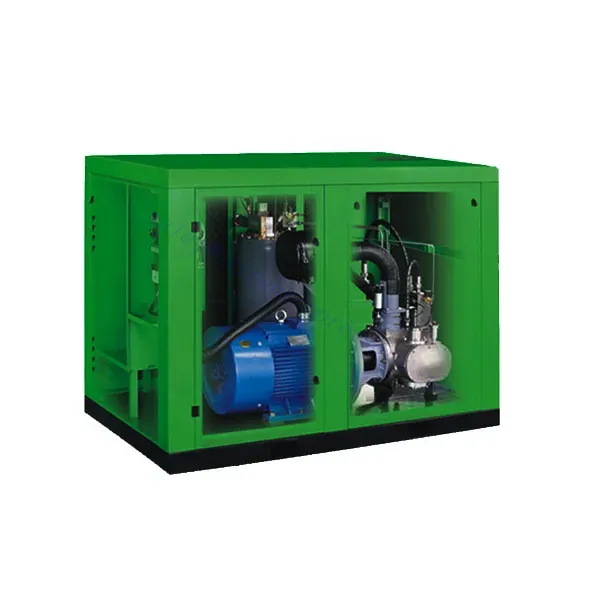
Selecting the right oxygen tank compressor depends on the cylinder type, fill pressure, and daily throughput required
| Application | Fill Pressure | Recommended Compressor | Throughput |
|---|---|---|---|
| Home HomeFill (D-cylinder) | 138 to 207 bar | Compact piston HomeFill unit | 1 to 3 cylinders per day |
| Small clinic or pharmacy | 200 bar | Single-stage piston booster | 5 to 15 cylinders per day |
| Hospital backup store | 200 bar | Duplex piston, auto-changeover | 20 to 50 cylinders per day |
| Industrial gas supplier | 200 or 300 bar | Multi-cylinder piston system | 50 to 500 cylinders per day |
| Dive centre | 300 bar | 4-stage piston booster, O2 rated | 5 to 30 cylinders per day |
| Fire brigade depot | 300 bar | 4-stage breathing air compressor, O2 rated | 10 to 50 cylinders per day |
Safety Rules for Oxygen Tank Filling Operations
- Never fill a cylinder that has passed its hydrostatic test date without first having it retested by a certified test facility. Filling an out-of-test cylinder is illegal in most jurisdictions and potentially dangerous.
- Inspect every cylinder for physical damage (dents, gouges, corrosion, heat discolouration) before connecting it to the filling manifold. Reject any cylinder showing signs of damage.
- Open fill valves slowly and progressively. Rapid valve opening causes adiabatic compression heating at the downstream end that can ignite valve seat materials in the oxygen-rich environment.
- Never exceed the cylinder working pressure marked on the cylinder shoulder. Overfilling beyond the working pressure risks cylinder failure.
- Maintain complete records for every cylinder fill including date, operator, fill pressure, cylinder serial number, and oxygen purity reading. These records are mandatory for medical oxygen and best practice for all applications.
- Keep the filling area clear of ignition sources, smoking personnel, and combustible materials. Post clearly visible no-smoking and no-open-flame signs in the filling area.
Frequently Asked Questions
Ready to Find the Right Oxygen Compressor?
Our engineering team is ready to help you select the ideal unit for your application.