
Oxygen Concentrator Compressor: Role, Types and Maintenance
The oxygen concentrator compressor is the internal component of an oxygen concentrator that provides the compressed air energy needed to drive the PSA adsorption cycle. Every PSA and VPSA oxygen concentrator contains at least one compressor as an integral component, though the compressor is often not visible from the outside and is rarely discussed separately from the concentrator system as a whole.
Understanding the oxygen concentrator air compressor, how it functions within the concentrator, what types are used in different concentrator models, and how its maintenance affects overall oxygen purity and concentrator lifespan, helps clinical engineers, biomedical technicians, and plant engineers maintain their oxygen systems more effectively.
Further Reading: Looking for the best oil-free air compressors for industrial and medical applications? Visit our comprehensive guide at
oil-free-air-compressor.com for expert reviews, specifications, and buying advice on premium oil-free compressor technology.
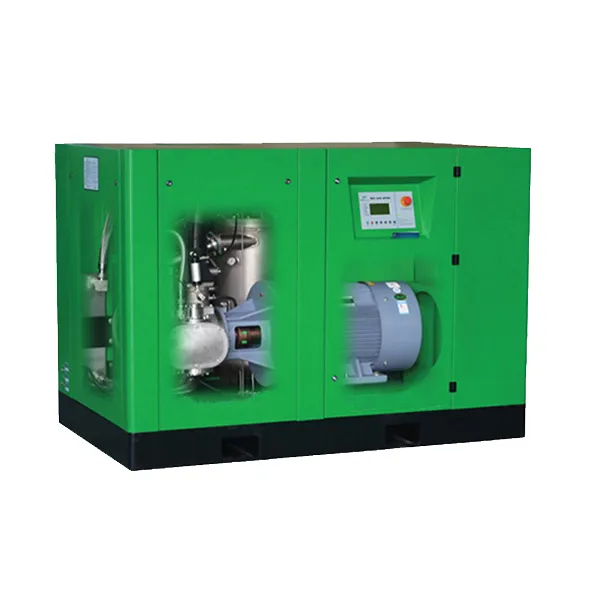
The internal compressor is the core mechanical component of every PSA oxygen concentrator system
The Role of the Compressor in an Oxygen Concentrator
In a PSA oxygen concentrator, the oxygen concentrator air compressor serves a dual function. It compresses ambient room air to the elevated pressure needed for nitrogen adsorption in the zeolite sieve beds, and in VPSA systems it also creates the vacuum needed to regenerate the sieve beds by pulling nitrogen off the zeolite under negative pressure.
The compressor is typically the component with the shortest service life and the highest maintenance frequency in a PSA oxygen concentrator. It also has the greatest potential to harm the rest of the system if it fails gradually: a compressor that begins passing oil into the airstream, even in tiny quantities, will permanently damage the zeolite sieve beds and is the most common cause of premature concentrator performance decline.
How the PSA Cycle Works Around the Compressor
The compressor runs continuously (or at very high duty cycle) during normal concentrator operation. It delivers compressed air at typically 4 to 8 bar to alternating sieve bed vessels. While one bed adsorbs nitrogen (producing oxygen-enriched gas), the other bed regenerates by venting to atmosphere. The compressor must sustain the working pressure against this cyclic load switching without pressure surges or flow interruptions that would disturb the adsorption cycle.
Types of Compressors Used in Oxygen Concentrators
Oil-Free Reciprocating Piston
The most common oxygen concentrator compressor type. Used in the majority of medical home concentrators and small clinical units. Simple, proven, and available in a wide power range. PTFE or carbon piston rings provide oil-free operation.
Oil-Free Rotary Vane
Used in some medical concentrator designs for its quieter operation and smoother airflow compared to reciprocating pistons. Requires carbon vane replacement at regular service intervals.
Linear (Free Piston) Compressor
Used in premium homecare oxygen concentrators where very low noise and vibration are priorities. The piston moves linearly driven by an electromagnet, eliminating the crankshaft and reducing vibration to exceptionally low levels. Lower maintenance due to fewer moving parts.
Oil-Free Scroll Compressor
Found in some medium-scale clinical and industrial oxygen concentrators. Provides very smooth, pulse-free airflow and low noise. Orbital scroll motion rather than reciprocating action reduces vibration transmission to the concentrator structure.
Rotary Screw (Industrial PSA)
Large industrial oxygen generators use oil-free rotary screw compressors as the feed air system. These external compressors feed the PSA vessel banks and are typically separate units rather than internal components of the concentrator.
Vacuum Pump (VPSA Systems)
VPSA concentrators use a vacuum pump to regenerate sieve beds under negative pressure rather than simply venting. This improves purity and recovery efficiency, particularly at larger scales. The vacuum pump complements rather than replaces the feed air compressor.
Maintaining the Oxygen Concentrator Compressor
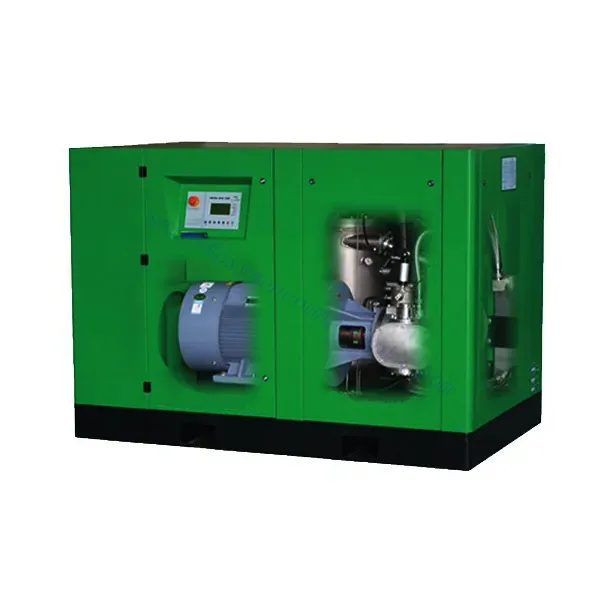
Regular maintenance of the internal oxygen concentrator compressor protects sieve beds and maintains purity output
Intake Filter Cleaning and Replacement
The intake air filter protects both the compressor internals and the downstream sieve beds from dust, particulate, and environmental contaminants. Clean washable filters monthly and replace disposable filters every 500 to 1000 hours of operation, or more frequently in dusty environments.
Piston Ring and Cylinder Inspection
In reciprocating piston oxygen concentrator compressors, piston rings are the primary wear item. Inspect ring thickness and cylinder bore condition at the intervals specified by the manufacturer, typically every 4000 to 8000 hours. Replace rings before they wear through the minimum thickness specification to prevent bore scoring.
Check Output Purity Regularly
The simplest indicator of compressor health in an oxygen concentrator is the oxygen purity output. Any decline in purity below the nominal output of the concentrator may indicate compressor pressure loss, air leak, or, critically, beginning oil contamination of the sieve beds.
Valve Inspection
Inlet and outlet valves in the compressor are subject to fatigue failure after extended operation. Inspect valves annually or per manufacturer recommendation. Early valve failure signs include increased compressor noise, reduced delivery pressure, and declining purity output.
Cabinet Ventilation Check
The oxygen concentrator compressor generates heat during operation. Verify that cabinet ventilation openings are clear of dust and obstruction monthly. Overheating shortens compressor life and reduces oxygen purity as hot compressed air degrades PSA adsorption efficiency.
Signs That Your Concentrator Compressor Needs Attention
Declining Purity
If your oxygen analyser shows purity falling below the concentrator specification (typically 90 to 95.5 percent), suspect compressor pressure loss or sieve bed contamination first.
Increased Noise
A compressor running louder or with different noise characteristics than normal (knocking, rattling, or increased hiss) may indicate worn piston rings, failing valves, or bearing wear.
Higher Running Temperature
Compressor or concentrator cabinet running significantly hotter than normal may indicate valve inefficiency, worn rings, blocked ventilation, or declining compressor performance.
Higher Power Consumption
A compressor working harder to maintain the same delivery pressure due to internal wear will draw more current from the mains supply. Monitoring power consumption trends helps detect gradual degradation.
Reduced Flow
If the concentrator struggles to maintain pressure during peak demand cycles, the compressor may be losing volumetric efficiency due to ring or valve wear.
Alarm Activation
Most modern oxygen concentrators include a low-purity alarm. If this alarm triggers repeatedly, the compressor and its filtration system should be inspected before the sieve beds suffer permanent damage.
Frequently Asked Questions
Ready to Find the Right Oxygen Compressor?
Our engineering team is ready to help you select the ideal unit for your application.