
Oxygen Reciprocating Compressor: Working Principle and Industrial Use
An oxygen reciprocating compressor is the most widely deployed technology for compressing oxygen gas across all pressure ranges in both medical and industrial applications. The term reciprocating refers to the back-and-forth motion of the pistons that drive compression, as opposed to the continuous rotary motion found in screw or centrifugal compressors.
Reciprocating technology has dominated oxygen compression since the earliest days of industrial gas production because of its unmatched ability to achieve high pressure ratios across multiple stages, its relative mechanical simplicity, and its adaptability to oxygen-safe materials and oil-free operation. Despite the development of alternative compressor technologies, reciprocating piston oxygen compressors remain the standard choice for applications requiring pressures above 30 bar.
Further Reading: Looking for the best oil-free air compressors for industrial and medical applications? Visit our comprehensive guide at
oil-free-air-compressor.com for expert reviews, specifications, and buying advice on premium oil-free compressor technology.
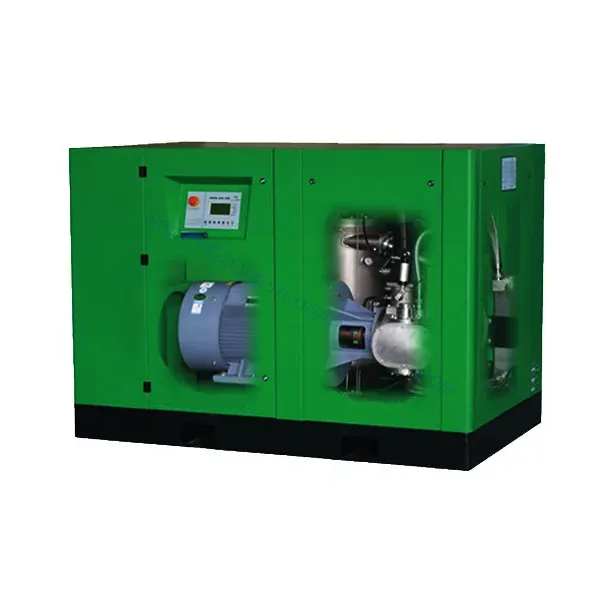
Reciprocating piston oxygen compressors remain the dominant technology for high-pressure industrial oxygen service
How a Reciprocating Oxygen Compressor Works
Intake Stroke
The piston moves downward (or outward, in horizontal configurations), increasing the cylinder volume. Atmospheric or inlet pressure gas flows through the inlet valve into the cylinder as the pressure differential pulls it in.
Compression Stroke
The inlet valve closes and the piston reverses direction, moving upward to reduce the cylinder volume. As volume decreases, gas pressure rises according to the compression ratio of the cylinder. The gas heats significantly during this process.
Discharge Stroke
When cylinder pressure exceeds the outlet (discharge) pressure, the outlet valve opens and the compressed gas flows out of the cylinder into the discharge line toward the next stage or storage vessel.
Intercooling (Multi-Stage)
In multi-stage reciprocating oxygen compressors, the hot gas discharged from one stage passes through an intercooler before entering the next stage. Cooling reduces the gas temperature and volume, improving compression efficiency and keeping stage temperatures within safe oxygen service limits.
Oil-Free Sealing
In oxygen reciprocating compressors, the piston rings are made from PTFE, carbon composite, or ceramic materials that seal the gas in the cylinder without any lubricating oil. This is the fundamental difference from air compressors and is non-negotiable for oxygen service.
Industrial Applications of Oxygen Reciprocating Compressors
Steel Plant Injection
Reciprocating oxygen compressors inject oxygen into electric arc furnaces and lance systems at 3 to 15 bar, controlling combustion temperature and reducing power consumption per tonne of steel produced.
Chemical Synthesis
Partial oxidation reactions in methanol, syngas, and hydrogen peroxide production use high-purity oxygen at 30 to 100 bar supplied by multi-stage reciprocating compressors.
Medical Gas Filling
Large medical gas distributors use multi-stage reciprocating compressors to fill oxygen cylinders at 200 bar for hospitals, ambulance services, and homecare providers.
Specialty Gas Filling
Breathing gas mixtures, calibration gases, and specialist industrial gases are filled to 300 bar using 4 and 5-stage reciprocating oxygen compressors with very high pressure ratings.
Laboratory Supply
Research laboratories use small single or two-stage reciprocating compressors to maintain pressurised oxygen supply for analytical instruments, combustion rigs, and material testing equipment.
Environmental Treatment
Advanced oxidation processes for micropollutant removal from water use medium-pressure oxygen at 5 to 20 bar delivered by two-stage reciprocating compressors to ozonation or peroxidation reactor systems.
Key Design Differences Between Air and Oxygen Reciprocating Compressors
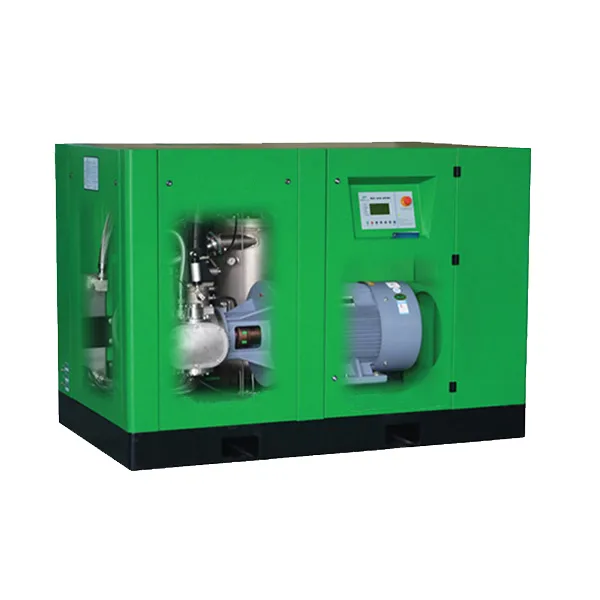
The oxygen-specific design features of reciprocating compressors are essential for safe and reliable operation
| Component | Air Reciprocating Compressor | Oxygen Reciprocating Compressor |
|---|---|---|
| Piston rings | Cast iron or bronze, oil-lubricated | PTFE, carbon composite, or ceramic, dry-running |
| Cylinder material | Cast iron | Stainless steel 316L or Hastelloy |
| Valve material | Carbon steel or stainless | Monel or stainless, no organic grease |
| Crankcase | Oil-bath lubricated | Oil-bath (external) with shaft seal isolation from gas path |
| Packing glands | Oil-lubricated rope packing | PTFE ring packing, oil-free |
| Internal cleaning | General industrial | Oxygen-service cleaned per EIGA Doc 33 |
| Stage monitoring | Basic pressure gauges | Temperature and pressure sensors on each stage |
| Safety valves | Standard spring-loaded | Oxygen-rated, recertified annually |
Frequently Asked Questions
Ready to Find the Right Oxygen Compressor?
Our engineering team is ready to help you select the ideal unit for your application.