
What Is a High Pressure Oxygen Compressor?
A high pressure oxygen compressor is a specialised industrial machine designed to compress gaseous oxygen to pressures significantly above atmospheric conditions, typically ranging from 100 bar to 350 bar. These systems are essential infrastructure in industries including steel manufacturing, chemical processing, glass production, electronics fabrication, and medical gas supply.
Unlike standard air compressors, high pressure oxygen compressors must be built from materials specifically compatible with oxygen-enriched atmospheres at elevated pressures. The combination of high pressure and high oxygen concentration creates conditions where ordinary lubricants, elastomers, and even some metals can ignite spontaneously in a phenomenon known as oxygen-enhanced combustion.
Understanding the design principles, safety protocols, and application landscape for these machines is essential for anyone specifying, purchasing, or operating industrial oxygen compression equipment.
Further Reading: Looking for the best oil-free air compressors for industrial and medical applications? Visit our comprehensive guide at
oil-free-air-compressor.com for expert reviews, specifications, and buying advice on premium oil-free compressor technology.
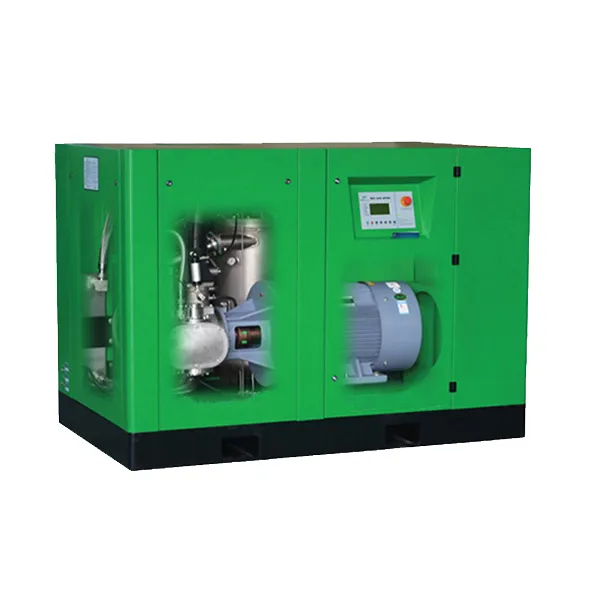
Industrial high pressure oxygen compressor rated for pressures up to 350 bar
Industrial Applications of High Pressure Oxygen Compressors
Steel and Metal Production
Electric arc furnaces and oxygen-enhanced blast furnaces require high-pressure oxygen injection to increase combustion temperatures and reduce production cycle times.
Chemical Synthesis
Partial oxidation and direct oxidation processes in petrochemical plants use high-pressure oxygen compressors to deliver reactant oxygen at process pressures up to 200 bar.
Electronics Manufacturing
Semiconductor fabrication uses ultra-pure oxygen at precisely controlled pressures for thermal oxidation and other clean-room processes.
Medical Gas Filling
Large-scale medical gas distributors use high-pressure oxygen booster compressors to fill patient cylinders at 200 or 300 bar from bulk liquid or concentrator sources.
Cutting and Welding
Industrial oxy-fuel cutting uses high-purity oxygen at pressures up to 20 bar. High pressure oxygen compressors supply manifold systems serving multiple cutting stations simultaneously.
Wastewater Treatment
Advanced oxidation processes and dissolved oxygen enhancement in large wastewater plants use mid-pressure oxygen injection at 3 to 15 bar from compressor systems.
Design Features of Oxygen-Safe High Pressure Compressors
High pressure oxygen compressors differ fundamentally from standard air compressors in their material selection, lubrication system, and safety instrumentation. Every component in the oxygen gas path must be evaluated for oxygen compatibility:
Oil-Free Design Mandatory
Standard hydrocarbon lubricants ignite violently in high-pressure oxygen atmospheres. All high pressure oxygen compressors must use oil-free compression technology. Common approaches include PTFE piston rings, ceramic-coated pistons, and magnetic bearing rotors that eliminate all contact and lubrication needs.
Oxygen-Compatible Materials
Stainless steel 316L, Monel, Inconel, and oxygen-compatible polymers such as PCTFE and PVDF are used for wetted components. Brass and copper alloys are used for fittings and valves. Carbon steel, ordinary plastics, and organic elastomers such as Buna-N are excluded from oxygen service.
Multi-Stage Compression with Intercooling
Compressing oxygen to high pressures in a single stage generates excessive heat, which combined with high oxygen concentration creates ignition risk. Multi-stage compressors with water or air intercoolers maintain gas temperature below safe limits at each stage, typically keeping discharge temperatures below 120 degrees Celsius.
Dedicated Safety Systems
High pressure oxygen compressor installations require temperature monitoring at every stage, pressure relief valves set to the system design limit, oxygen-rated burst discs, fire and gas detection systems, and automated emergency shutdown sequences triggered by any out-of-specification condition.
Pressure Classes and Standards
| Pressure Class | Typical Range | Common Application | Relevant Standard |
|---|---|---|---|
| Low pressure | 0 to 10 bar | PSA oxygen concentrator systems | ISO 7396-1 |
| Medium pressure | 10 to 50 bar | Industrial oxygen pipelines | EN 13953 |
| High pressure | 50 to 200 bar | Cylinder filling, chemical reactors | EN ISO 11114 |
| Very high pressure | 200 to 350 bar | Breathing apparatus, specialty gases | EN 12245, DOT/UN standards |
| Ultra-high pressure | Above 350 bar | Research and specialty applications | Custom engineered to ASME or PED |
The oxygen pressure vessel design code that applies to your installation depends on location. The European Pressure Equipment Directive (PED 2014/68/EU) governs most European systems. ASME Section VIII applies in North America. Always engage a qualified pressure engineer during system design.
Safety Protocols for High Pressure Oxygen Service
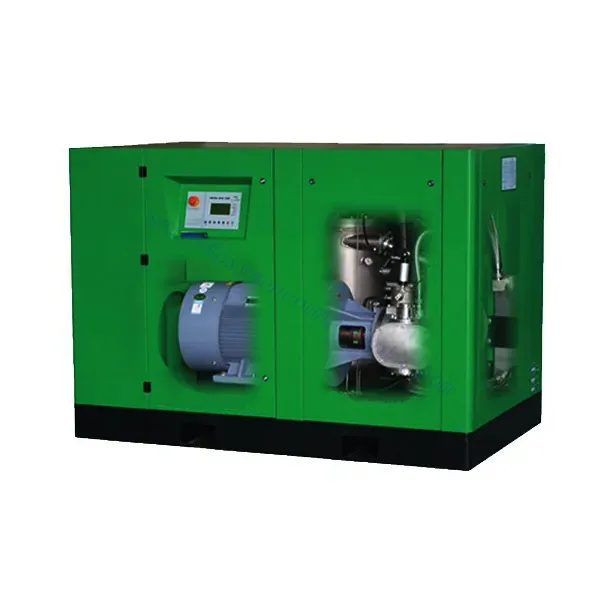
Safety systems on industrial high-pressure oxygen compressors include temperature monitoring, pressure relief, and fire detection
Oxygen Service Cleaning
All pipework, vessels, fittings, and compressor internals must be cleaned to oxygen service standards (CGA G-4.1 in North America, or EIGA Doc 33 in Europe) before commissioning, removing all hydrocarbon contamination, particulate, and moisture.
Slow Opening Valves
Opening high-pressure oxygen valves too quickly generates adiabatic compression heating at the downstream sealing surfaces, which can ignite valve seat materials. All oxygen system valves must be opened slowly and incrementally, never slammed open.
No Grease or Oil
Never allow any hydrocarbon lubricant near the oxygen gas path. Even small amounts of grease on a valve stem or fitting can ignite in high-pressure oxygen. Use only oxygen-compatible lubricants such as Krytox or Halocarbon.
Pressure Relief Testing
Test all pressure relief devices annually using certified test equipment. Relief valves that have operated following an overpressure event must be replaced, not reset, as the valve seating surface may have been damaged.
Personnel Training
All personnel working near high pressure oxygen compressors must complete oxygen safety training covering combustion risks, emergency procedures, personal protective equipment, and first aid for oxygen-related incidents.
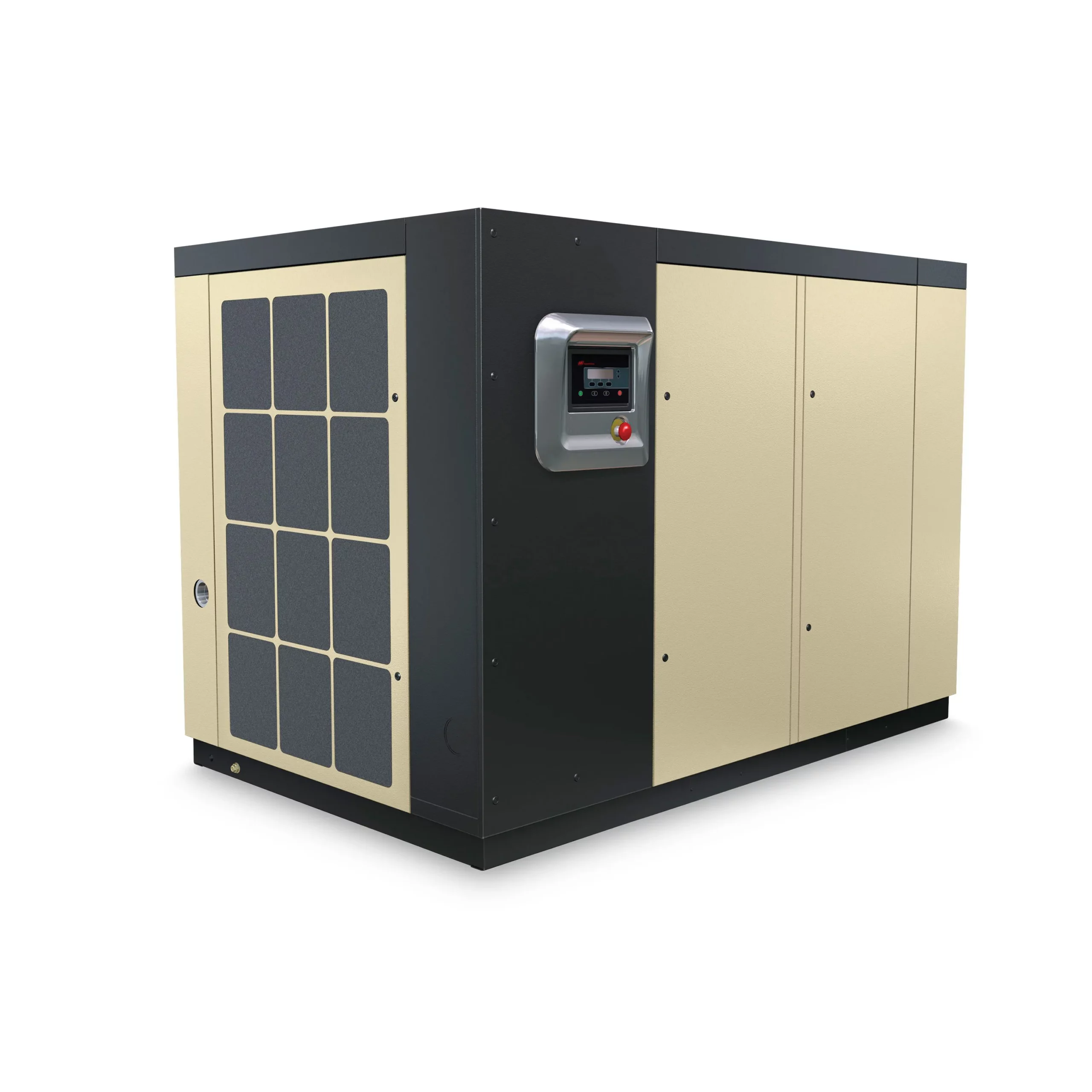
A large-scale industrial oxygen compression facility showing multi-stage compressor trains
Frequently Asked Questions
Ready to Find the Right Oxygen Compressor?
Our engineering team is ready to help you select the ideal unit for your application.