
The Critical Role of Medical Oxygen Compressors
Medical oxygen compressors are specialised compression systems engineered to produce and deliver oxygen at the purity levels required for clinical, therapeutic, and life-support applications. Unlike general industrial compressors, medical oxygen compressor units must meet stringent regulatory standards, undergo rigorous validation, and demonstrate consistent performance across thousands of hours of continuous operation.
From hospital pipeline systems supplying operating theatres and intensive care units to portable homecare devices for COPD patients, the demand for reliable oxygen compressor medical equipment has grown substantially. Understanding the different types, the applicable standards, and the leading models helps procurement teams, biomedical engineers, and facility managers make confident purchasing decisions.
Further Reading: Looking for the best oil-free air compressors for industrial and medical applications? Visit our comprehensive guide at
oil-free-air-compressor.com for expert reviews, specifications, and buying advice on premium oil-free compressor technology.
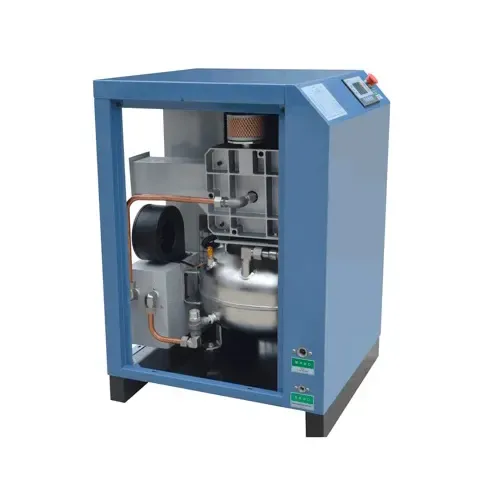
Professional-grade medical oxygen compressor for hospital and clinical environments
International Standards Governing Medical Oxygen Compressors
Compliance with international standards is not optional in the medical sector. Any oxygen compressor medical application must satisfy the standards applicable to the country of installation. The major frameworks include:
ISO 7396-1
Governs medical gas pipeline systems in healthcare facilities, including compressor station design, installation, and testing requirements worldwide.
NFPA 99
United States Health Care Facilities Code specifying requirements for medical air and oxygen systems in US hospitals and clinics.
EN 738-1 / MDR
European standards for oxygen pressure regulators and the EU Medical Device Regulation governing device approval across EU member states.
HTM 02-01
UK Health Technical Memorandum covering medical gas pipeline systems including compressor plant installation and commissioning.
Pharmacopoeia
Medical oxygen must meet British, European, or US Pharmacopoeia purity specifications depending on the destination market.
ISO 10083
Specifies requirements for oxygen concentrators used in the home healthcare environment, affecting compressor sub-system specifications.
Types of Medical Oxygen Compressors and Their Applications
The correct medical oxygen compressor type depends on the scale of the facility, the required oxygen volume, pressure, and whether the system delivers compressed oxygen directly or feeds an on-site concentrator.
Hospital Pipeline Compressor Stations
Large hospitals and medical centres use central compressor plants supplying pressurised medical-grade air or oxygen through a building pipeline network. These installations typically feature duplex or triplex compressor configurations with automatic standby changeover, ensuring uninterrupted supply to critical care areas.
PSA Concentrator-Based Systems
Many medium-sized facilities generate oxygen on-site using PSA (Pressure Swing Adsorption) technology. An oil-free air compressor feeds medical-grade compressed air into PSA beds that separate nitrogen, producing oxygen at 93 to 95 percent purity. This eliminates dependence on bulk liquid oxygen deliveries and cylinder logistics.
Portable and Homecare Oxygen Compressors
For patients requiring long-term oxygen therapy at home, compact oxygen compressor medical devices provide independence from cylinder refills. These units combine a small oil-free compressor, a mini-PSA module, and an oxygen sensor into a single cabinet weighing 10 to 30 kilograms.
Key Specifications to Evaluate
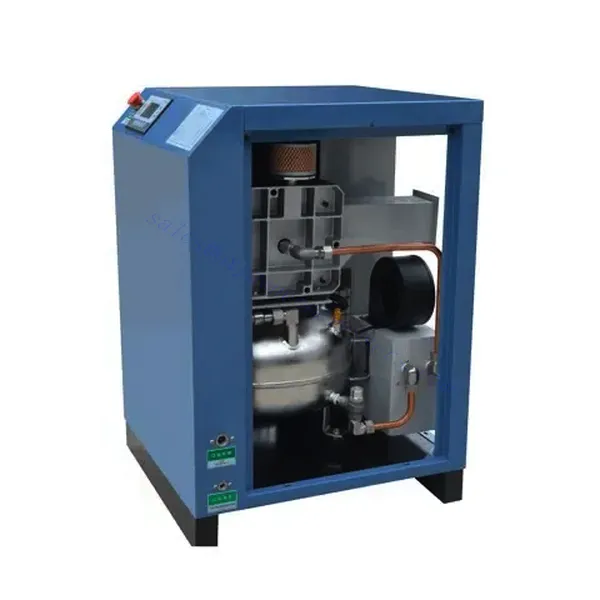
Medical-grade oxygen compressors must meet precise technical specifications for safe clinical use
| Specification | Home Therapy Unit | Clinic System | Hospital Plant |
|---|---|---|---|
| Oxygen Purity | 90 to 95.5% | 93 to 95.5% | 93 to 99.5% |
| Flow Rate | 1 to 5 LPM | 5 to 50 LPM | 100 to 10,000+ LPM |
| Operating Pressure | 0.4 to 0.7 bar | 3 to 7 bar | 5 to 12 bar |
| Noise Level | Below 45 dB(A) | Below 65 dB(A) | Separate plant room |
| Power Supply | 100 to 240V AC | Three-phase 380V | Three-phase 400V+ |
| Certification | IEC 60601 / CE | ISO 7396 / CE | ISO 7396 / HTM 02-01 |
| Duty Cycle | Intermittent 70% | Continuous 100% | Continuous 100% |
Installation and Safety Considerations
Medical oxygen compressors must be installed by qualified biomedical engineers or licensed contractors. Self-installation can void equipment warranties, breach building regulations, and create serious patient safety risks. Always verify that your installer holds the relevant national qualification.
Dedicated Compressor Room
Medical compressor plants require a dedicated, ventilated plant room with fire-rated walls and floors compliant with local building codes. Minimum temperature range is typically 5 to 40 degrees Celsius.
Duplex Configuration
Install at minimum a duplex compressor arrangement with automatic changeover. If one compressor fails, the standby unit starts within seconds, maintaining continuous oxygen supply.
Oxygen Quality Monitoring
Fit a certified oxygen analyser downstream of the compressor and PSA beds. This monitors purity in real time and triggers alarms or system shutdown if purity falls below the minimum threshold.
Emergency Cylinder Backup
Connect a cylinder manifold to the pipeline system downstream of the compressor plant. If the compressor plant fails completely, the manifold supplies oxygen from stored cylinders until repairs are completed.
Scheduled Preventive Maintenance
Establish a preventive maintenance programme covering compressor filter changes, valve inspections, piston ring checks, and full load testing at intervals not exceeding those specified by the manufacturer.
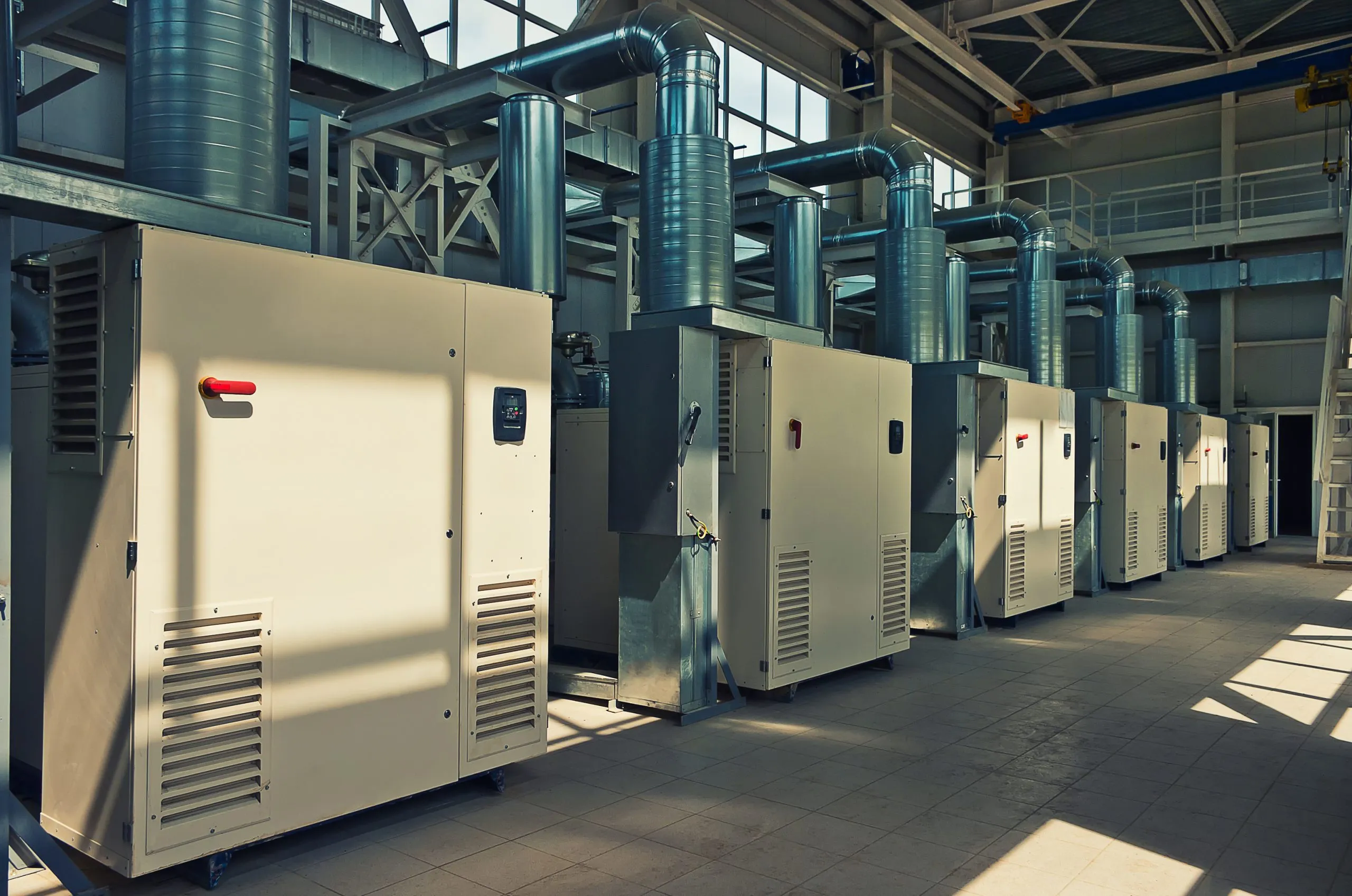
Large-scale medical oxygen production environments require industrial-grade compressor systems
Frequently Asked Questions
Get Expert Advice Today
Send us your specifications and receive a tailored recommendation within 24 hours.