
Oxygen Compressors for Home Use: A Complete Guide
An oxygen compressor for home use is a category of equipment that has transformed long-term oxygen therapy for patients worldwide. Rather than depending entirely on delivered cylinders or large stationary concentrators, patients can now use compact home oxygen compressor systems to maintain their own portable cylinder supply, giving them the independence to remain active outside the home.
The market for oxygen compressors for home use has grown substantially as the prevalence of chronic lung conditions including COPD, pulmonary fibrosis, and heart failure increases globally. Modern home oxygen compressor units are quieter, lighter, and more reliable than earlier generations, making them a practical choice for a wide range of patients.
This guide explains the different types of home oxygen compressor available, how they integrate with stationary concentrators, the key specifications to compare, and the safety requirements every home installation must meet.
Further Reading: Looking for the best oil-free air compressors for industrial and medical applications? Visit our comprehensive guide at
oil-free-air-compressor.com for expert reviews, specifications, and buying advice on premium oil-free compressor technology.
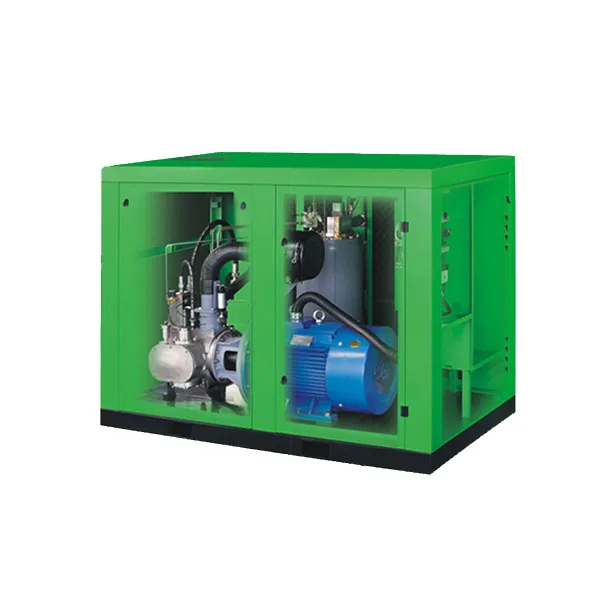
Home oxygen compressor systems enable patients to maintain their own portable cylinder supply independently
Types of Home Oxygen Compressor Systems
1. HomeFill-Type Compressor Units
The most common oxygen compressor home use category is the HomeFill-type unit. These devices connect to the outlet of a stationary oxygen concentrator and compress the concentrated oxygen stream into portable cylinders. They do not generate oxygen themselves but function as a pressure amplifier for concentrator output. Fill pressures are typically 2000 PSI (138 bar) for standard cylinder sizes.
2. Integrated Concentrator-Compressor Systems
Some manufacturers offer combined units that incorporate both the PSA oxygen concentrator and the cylinder-filling compressor in a single cabinet. These all-in-one home oxygen systems simplify installation, reduce the number of connections, and are designed for patients who prefer a single-device solution. They occupy more space than a standalone HomeFill unit but eliminate the need for a separate concentrator.
3. High-Pressure Home Filling Units
A smaller segment of the market addresses patients who use 3000 PSI (207 bar) cylinders for extended portable use. These high-pressure home oxygen compressor units are slightly larger and noisier than standard HomeFill units but enable patients to use smaller, lighter cylinders for the same duration, improving mobility.
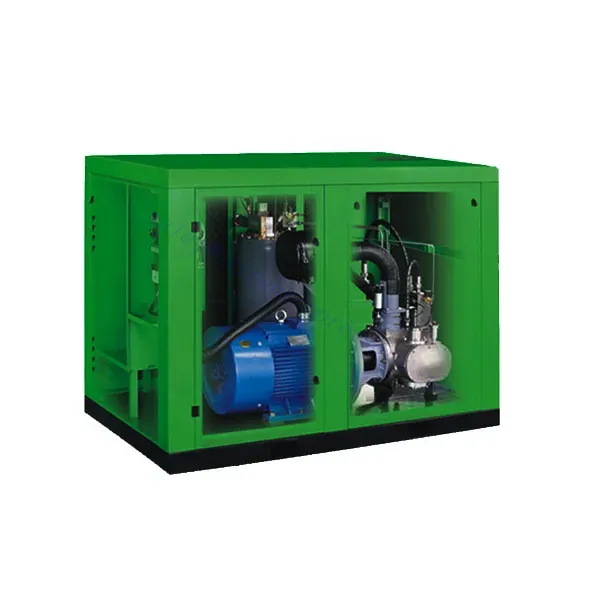
The main types of home oxygen compressor system range from compact HomeFill units to integrated concentrator-compressor combinations
Key Specifications to Compare for Home Oxygen Compressors
| Specification | What to Look For | Why It Matters |
|---|---|---|
| Noise Level | Below 50 dB(A) | Home use requires near-silent operation for bedroom or living area placement |
| Fill Pressure | 2000 or 3000 PSI | Must match your prescribed cylinder type |
| Concentrator Compatibility | Check approved concentrator list | Not all concentrators provide sufficient inlet flow for all home compressors |
| Fill Time (D-cylinder) | Under 3 hours preferred | Faster fill means more cylinders available when needed |
| Weight | Under 15kg ideal | Lighter units are easier to relocate within the home |
| Power Consumption | Under 400W | Running costs and impact on home electrical circuits |
| Warranty | Minimum 2 years | Longer warranty indicates manufacturer confidence in reliability |
| Service Interval | Annual or 2000 hours | Less frequent service reduces ongoing cost and disruption |
Setting Up a Home Oxygen Compressor: Step-by-Step
Confirm Medical Prescription
Home oxygen compressor systems for therapeutic use are prescribed devices in most countries. Confirm that your medical team has approved the specific system you intend to install and that it is covered under your home oxygen therapy programme.
Select an Approved Location
Install the compressor in a well-ventilated room, away from heat sources, curtains, or soft furnishings. The location must have a dedicated power socket and sufficient clearance on all sides for air circulation as specified in the user manual.
Connect to the Concentrator
Use only the manufacturer-supplied tubing and fittings to connect the compressor to your concentrator outlet. Ensure the connection is secure and check for any leaks before starting the system for the first time.
Attach the Cylinder to Fill
Connect the empty cylinder to the compressor fill port using the correct fitting for your cylinder valve type. Confirm the cylinder has passed its hydrostatic test date and shows no signs of physical damage.
Start the Fill Cycle
Power on the compressor and monitor the cylinder pressure gauge. The compressor will run until the target fill pressure is reached, then shut off automatically. Do not leave the system unattended during the first fill cycle.
Record the Fill
Keep a logbook recording the fill date, cylinder number, fill pressure achieved, and any unusual observations. This record is useful for clinical reviews and helps identify any declining compressor performance over time.
Home Oxygen Safety: Essential Rules
No Smoking Zones
Maintain a strict no-smoking policy in all rooms where oxygen equipment is used or stored. Display no-smoking signs prominently near all oxygen equipment.
Flame Distance
Keep all oxygen equipment at least 1.5 metres from candles, gas cookers, electric bar heaters, and other heat or flame sources.
Avoid Moisture
Do not place the compressor in damp environments such as bathrooms or utility rooms with poor ventilation. Moisture ingress can damage electrical components and oxygen purity.
Direct Mains Only
Always plug the home oxygen compressor directly into a fixed mains socket. Never use extension leads, multi-socket adaptors, or surge-protected power strips that could overload or introduce ignition risk.
Emergency Contacts
Keep the supplier emergency number, GP contact, and local fire service number clearly visible near the oxygen equipment. All household members should know the location and how to reach these contacts.
Annual Service Only
Never open, adjust, or attempt to repair the compressor yourself. Annual professional servicing maintains safety and preserves warranty validity.
Frequently Asked Questions
Ready to Find the Right Oxygen Compressor?
Our engineering team is ready to help you select the ideal unit for your application.