
Why Portable Oxygen Compressors Matter
A portable oxygen compressor gives patients, clinicians, and industrial users the freedom to maintain their oxygen supply outside of fixed installations. Whether used at a patient bedside in a field hospital, at a remote industrial worksite, or by an active patient who needs to fill cylinders while travelling, the portable oxygen compressor market has expanded dramatically as technology has miniaturised the key components without sacrificing performance.
Choosing the best portable oxygen compressor requires balancing size and weight against output capacity, noise level, power options, and the specific application. A unit ideal for a homecare patient filling small D-cylinders weekly differs fundamentally from a portable compressor serving a field medical team needing to fill multiple cylinders per day from a generator supply.
Further Reading: Looking for the best oil-free air compressors for industrial and medical applications? Visit our comprehensive guide at
oil-free-air-compressor.com for expert reviews, specifications, and buying advice on premium oil-free compressor technology.
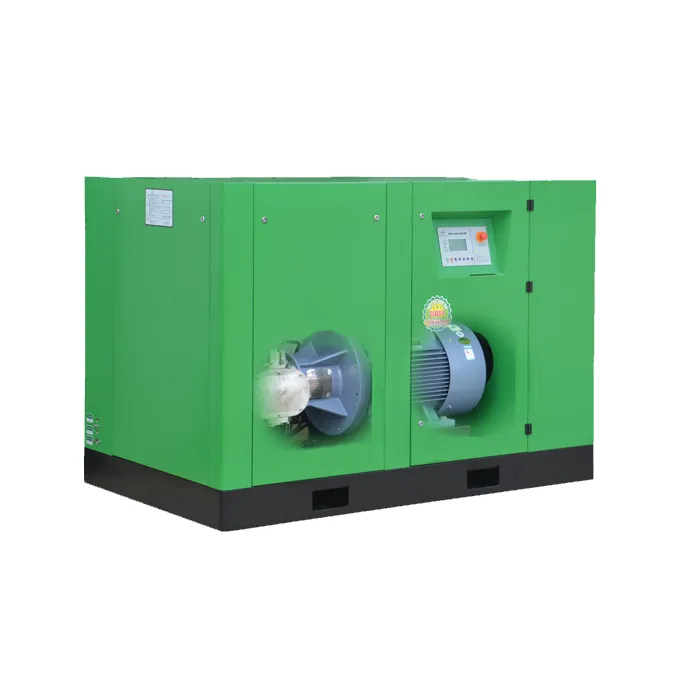
Portable oxygen compressors enable independent oxygen supply management for medical and industrial users
What to Look for in a Portable Oxygen Compressor
Weight and Dimensions
True portability requires a unit that one person can carry or transport in a standard vehicle. Look for under 20kg and dimensions that fit in a car boot or trolley case.
Power Supply Flexibility
The best portable oxygen compressor models accept both 240V AC mains and 12V DC vehicle power, allowing use at home and in the field. Some include battery packs for short-term off-grid use.
Noise Level
Units designed for home or clinical use should operate below 55 dB(A). Industrial portable compressors are less noise-sensitive but operator comfort still matters during extended use.
Fill Rate
Compare fill time for a standard cylinder at your target pressure. A faster fill rate means less downtime between cylinder uses, which matters significantly for active patients.
Safety Features
Automatic pressure shutoff, overheat protection, and oxygen-compatible materials are non-negotiable. Check that the unit carries relevant safety certifications for your country.
Service and Spares
A portable unit used regularly will need periodic maintenance. Choose a brand with accessible service network and readily available consumable parts in your region.
Portable Oxygen Compressor Categories
Category 1: HomeFill Portable Units (Homecare)
These compact units connect to a stationary oxygen concentrator and compress its output into portable cylinders. Typical weight is 10 to 18kg. Fill pressure is 2000 or 3000 PSI (138 or 207 bar). They run on standard household power and produce oxygen purity matching the concentrator inlet, typically 90 to 95 percent. Noise levels are 45 to 55 dB(A), acceptable for bedroom or living area use.
Category 2: Field Medical Compressors
Designed for emergency services, military medical units, and remote clinics, these rugged portable oxygen compressor units typically weigh 15 to 35kg and accept both AC mains and DC vehicle power. They may include built-in PSA oxygen generation or connect to an external concentrator. Fill rates are higher than homecare units, enabling faster cylinder turnaround in high-demand situations.
Category 3: Industrial Portable Oxygen Boosters
For industrial cylinder filling at remote sites, portable booster compressors mount on a wheeled frame or inside a transportable cabinet. They accept oxygen from cylinders, manifolds, or PSA systems and boost to fill pressure. These units typically weigh 40 to 150kg but are designed for transport by van or light truck between sites.
Portable vs Stationary: Key Comparison
| Feature | Portable Oxygen Compressor | Stationary Oxygen Compressor |
|---|---|---|
| Weight | 10 to 50kg | 50 to 5000kg+ |
| Power | AC/DC dual or battery | Three-phase AC mains |
| Fill rate | 1 to 5 cylinders/day | 5 to 500+ cylinders/day |
| Pressure range | Up to 300 bar | Up to 350 bar |
| Noise | 45 to 65 dB(A) | 65 to 85 dB(A) |
| Cooling | Air-cooled | Water or air cooled |
| Maintenance | User-serviceable items | Requires trained technician |
| Cost | USD 3,000 to 50,000 | USD 20,000 to 5,000,000+ |
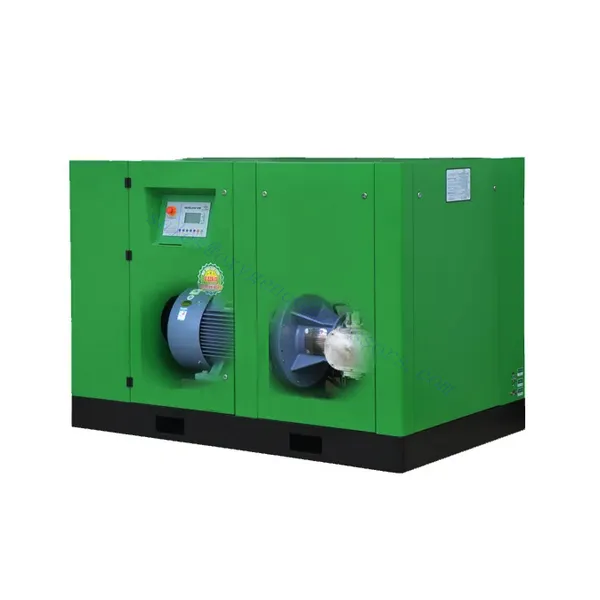
Portable oxygen compressors prioritise mobility and dual-power capability while maintaining essential safety features
Operating a Portable Oxygen Compressor Safely
Ventilation First
Always operate a portable oxygen compressor in a well-ventilated space. Never use it inside a sealed room, tent, or vehicle cab. Oxygen accumulation in an enclosed space dramatically increases fire risk from any ignition source.
Check Connections Before Starting
Inspect all hose connections, cylinder valves, and pressure fittings before starting the compressor. A loose fitting at high pressure can cause rapid oxygen release and injury.
No Smoking or Open Flames
Enforce a strict no-smoking and no-open-flame policy within at least 3 metres of any operating portable oxygen compressor. Post clearly visible warning signs.
Monitor Fill Pressure
Watch the pressure gauge throughout the fill cycle. Never leave a portable oxygen compressor unattended while filling. Most units have automatic shutoff, but manual monitoring provides a secondary safety layer.
Cool Down Before Moving
After operation, allow the compressor to cool for at least 10 minutes before moving or storing. Hot metal surfaces in an oxygen-enriched environment pose an ignition risk.
Frequently Asked Questions
Get Expert Advice Today
Send us your specifications and receive a tailored recommendation within 24 hours.