
Oxygen Compressor Price: What to Expect and What Drives Cost
Understanding oxygen compressor price is one of the first questions buyers face when evaluating a new system. The range is genuinely enormous: a small home oxygen filling compressor may cost a few thousand dollars, while a large multi-stage industrial oxygen compressor system for a steel plant can cost several million. Knowing what factors determine where on this spectrum your requirement falls is the starting point for any realistic budget.
This guide breaks down oxygen compressor cost across different categories, explains the key variables that drive price differences between similar-looking compressors, and introduces the concept of total cost of ownership, which is almost always more important than purchase price alone in making the right economic decision.
Further Reading: Looking for the best oil-free air compressors for industrial and medical applications? Visit our comprehensive guide at
oil-free-air-compressor.com for expert reviews, specifications, and buying advice on premium oil-free compressor technology.
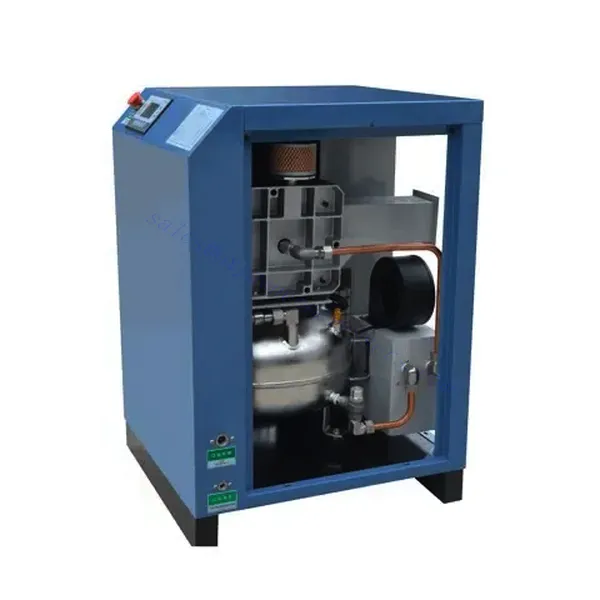
Oxygen compressor prices vary enormously depending on type, pressure, flow rate, and certification level
Oxygen Compressor Price by Category
| Category | Typical Unit Price Range | Who Buys This |
|---|---|---|
| Home oxygen filling (HomeFill) | USD 3,000 to 8,000 | Home oxygen therapy patients |
| Small medical PSA compressor system | USD 15,000 to 50,000 | Clinics, small hospitals |
| Mid-range hospital PSA system | USD 50,000 to 250,000 | District hospitals, industrial sites |
| Industrial piston booster, single unit | USD 20,000 to 120,000 | Cylinder filling stations |
| Industrial rotary screw, oil-free | USD 40,000 to 400,000 | Large PSA plants, chemical industry |
| Large industrial multi-stage system | USD 200,000 to 2,000,000+ | Steel mills, industrial gas producers |
| Turnkey filling station, 200 bar | USD 80,000 to 500,000 | Medical gas, industrial gas businesses |
| Custom engineered plant | USD 1,000,000 to 10,000,000+ | Major industrial gas infrastructure |
The 7 Main Factors That Determine Oxygen Compressor Price
Pressure Class
Higher outlet pressures require more stages, heavier-duty components, and more rigorous certification. A 10-bar compressor costs far less than a 300-bar unit of the same flow rate.
Flow Rate
Larger compressors handling more Nm3/h require bigger motors, larger cylinders, and heavier foundations. Price scales roughly with flow rate but not linearly.
Certification Level
Medical-grade certification (ISO 7396, PED Cat IV) can add 50 to 200 percent to the cost of the compressor package compared to an uncertified industrial equivalent.
Cooling System
Water-cooled systems cost more upfront but are more efficient at continuous duty. Air-cooled units are cheaper initially but need more space and perform less well in hot climates.
Brand and Country of Origin
European and North American manufactured oxygen compressors command significant premiums over Asian-manufactured alternatives. Brand reputation and service network availability affect price.
Package vs. Bare Compressor
A bare compressor head costs less than a full package with motor, starter, controls, pressure switches, filters, and enclosure. Always compare complete packages for realistic price comparison.
Total Cost of Ownership: The Complete Picture
Purchase price is only part of the oxygen compressor cost equation. A lower purchase price compressor with higher energy consumption, shorter service intervals, or limited spare parts availability can cost significantly more over a 10 to 15-year service life than a higher-quality unit at a higher initial price.
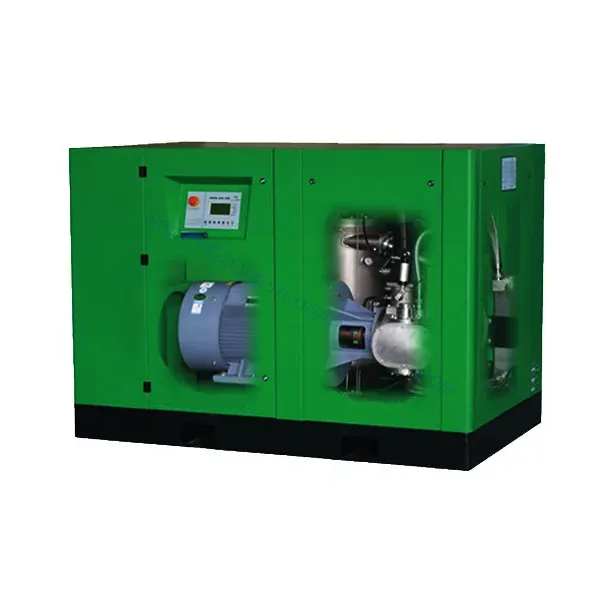
Total cost of ownership analysis reveals the true economic value of an oxygen compressor over its service life
Energy Costs
For most industrial oxygen compressor installations operating 6000 or more hours per year, electricity costs over the equipment lifetime represent 40 to 60 percent of the total cost of ownership. A compressor consuming 10 kW more than a comparable unit will accumulate approximately USD 9,000 in additional energy costs per year at USD 0.10 per kWh, or USD 135,000 over a 15-year operating life.
Maintenance and Parts
Piston rings, valves, filters, belts, and bearings are consumable items that must be replaced on schedule. Obtain a complete spare parts pricing list and service interval schedule from the manufacturer before purchase and include these costs in your total cost of ownership model.
Downtime Cost
For critical applications, every hour the oxygen compressor is out of service has a cost. A slightly more expensive compressor with better reliability, faster parts availability, and a local service network may be worth significantly more than its purchase price premium in avoided downtime costs.
How to Get an Accurate Oxygen Compressor Price
Define Your Specification Precisely
Prepare a clear technical enquiry document specifying inlet pressure, outlet pressure, flow rate at normal conditions, gas purity, duty cycle, cooling availability, installation location, and applicable certification standards.
Request Three or More Quotations
Obtain competitive quotations from at least three manufacturers or distributors. Specify that all quotes must include the same scope: bare compressor, motor, starter, controls, filters, safety valves, and instrumentation.
Compare Packages on Equivalent Basis
Check that all quotations include the same scope of supply. A low-priced quotation that excludes the motor, starter, or filtration is not cheaper when these are added back.
Ask for Total Cost of Ownership Data
Request from each supplier the specific power consumption (kW per Nm3/h), service intervals, and estimated 5-year spare parts cost. Use this data to build a 10-year TCO comparison.
Check Lead Times and Support
Delivery times for industrial oxygen compressors range from weeks to months. Verify the supplier has local service engineers, spare parts in stock, and a response time commitment for breakdowns.
Financing and Leasing Options
For buyers who need to manage cash flow, oxygen compressor cost can be spread through various financing mechanisms:
- Capital purchase with bank financing: Standard equipment loan spreading the cost over 3 to 7 years, with the equipment as collateral.
- Operating lease: The compressor is leased from a finance company, with monthly rental payments. Maintenance may be included in the lease agreement.
- Service agreement with upfront equipment: Some manufacturers offer maintenance contracts bundled with the equipment purchase, converting variable maintenance costs into a predictable monthly fee.
- Rental with purchase option: Suitable for short-term requirements or for organisations that want to trial a system before committing to purchase.
- Power Purchase Agreement (PPA): Emerging in the industrial gas sector, PPAs allow the equipment supplier to finance and operate the system, with the customer paying per Nm3 of oxygen produced.
When comparing financing options, always convert to a Net Present Value (NPV) comparison over the expected equipment life using a discount rate appropriate to your organisation. A seemingly attractive low monthly lease payment can be more expensive in NPV terms than a financed capital purchase.
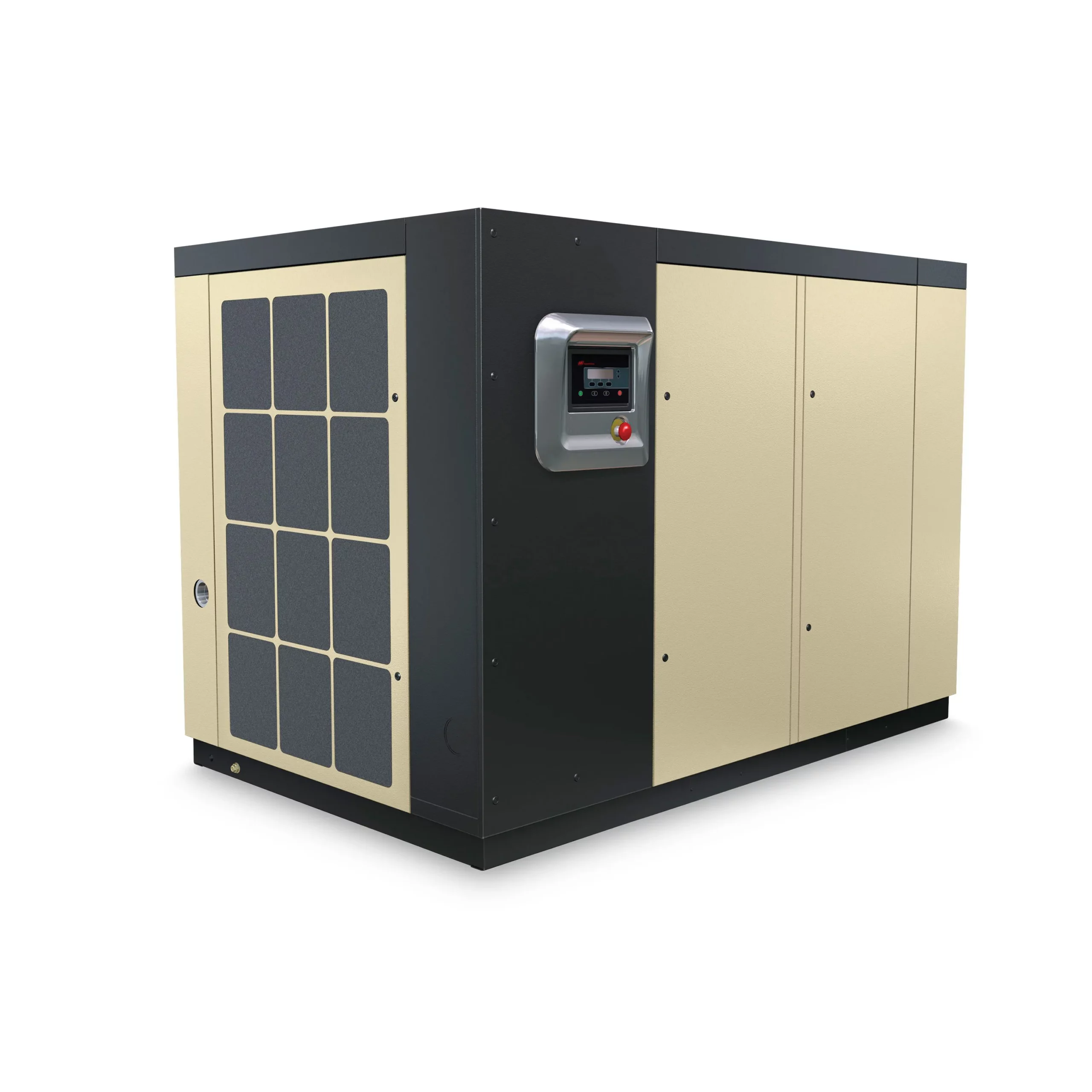
Getting the best value oxygen compressor requires comparing total cost of ownership, not just purchase price
Frequently Asked Questions
Ready to Find the Right Oxygen Compressor?
Our engineering team is ready to help you select the ideal unit for your application.