
Home Oxygen Compressor: Options for Residential and Clinical Use
A home oxygen compressor is a device that enables patients requiring supplemental oxygen to maintain an independent supply of compressed oxygen cylinders at home, reducing or eliminating their dependence on scheduled cylinder deliveries. For patients prescribed long-term oxygen therapy for COPD, pulmonary fibrosis, heart failure, or other chronic conditions, a home oxygen compressor can significantly improve quality of life by enabling greater activity and independence.
The home oxygen compressor market also includes small clinical systems for GP practices, nursing homes, rehabilitation centres, and small private clinics that maintain their own cylinder stock rather than relying entirely on a medical gas supplier. These clinical applications have similar technical requirements to homecare but may need higher throughput or more robust equipment for multi-user environments.
This guide covers the full range of home oxygen compressor options, the key factors that determine suitability for residential or clinical use, and the practical steps to set up and maintain a home oxygen compression system safely.
Further Reading: Looking for the best oil-free air compressors for industrial and medical applications? Visit our comprehensive guide at
oil-free-air-compressor.com for expert reviews, specifications, and buying advice on premium oil-free compressor technology.
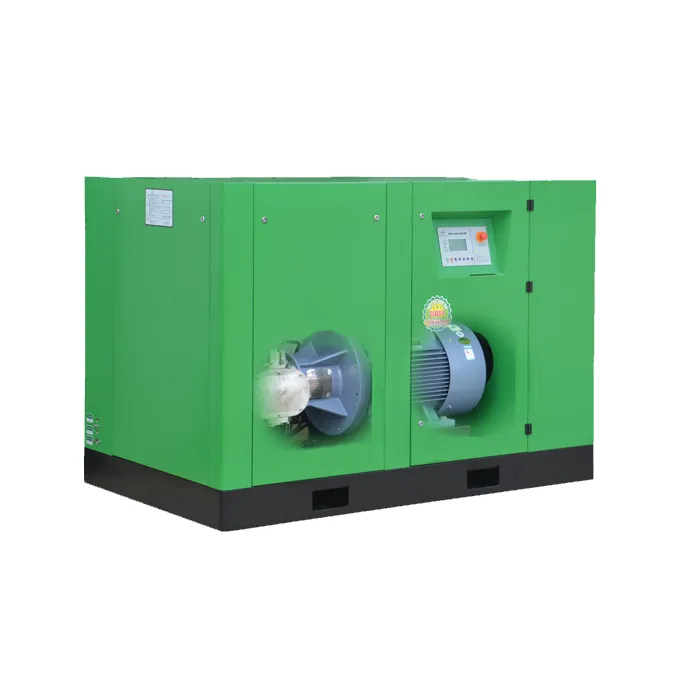
Home oxygen compressors give patients and small clinical facilities independence from cylinder delivery schedules
Home Oxygen Compressor Options Compared
| System Type | Best For | Fill Pressure | Oxygen Source | Throughput |
|---|---|---|---|---|
| HomeFill unit (standalone) | Single patient home use | 138 or 207 bar | Patient’s concentrator | 1 to 3 cylinders per day |
| Integrated concentrator-filler | Patient preferring one device | 138 bar | Built-in PSA | 1 to 2 cylinders per day |
| Portable home compressor | Active patients, travel | 138 or 207 bar | External concentrator | 1 to 2 cylinders per day |
| Small clinical filling unit | Nursing home, GP practice | 200 bar | External concentrator or bulk O2 | 5 to 20 cylinders per day |
| Compact PSA plus filler | Remote clinic, rural facility | 200 bar | On-site PSA generation | 10 to 30 cylinders per day |
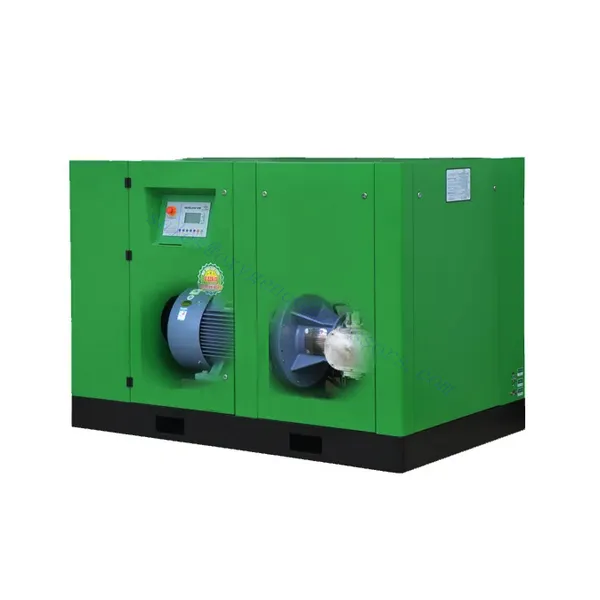
Different home oxygen compressor system types suit different patient needs and clinical settings
Who Benefits Most from a Home Oxygen Compressor?
High-Flow COPD Patients
Patients requiring 3 to 5 LPM continuously who wish to remain active outside the home benefit greatly from a home compressor that maintains a stock of portable cylinders ready to go.
Active Lifestyle Patients
Patients who exercise regularly, attend social activities, or work part-time benefit from the ability to refill multiple cylinders per week without waiting for deliveries.
Rural and Remote Residents
Patients living far from medical gas suppliers face long delivery lead times and high delivery costs. A home oxygen compressor provides supply security independent of logistics.
Nursing Home Residents
Small nursing homes and residential care facilities benefit from clinical-grade home compressor systems that maintain their own portable cylinder stock for resident activities and emergency use.
Patients with Uncertain Delivery
Any patient whose oxygen delivery reliability has been disrupted benefits from home compressor capability as a buffer against supply chain problems.
Post-Surgical Recovery
Patients recovering at home from lung surgery or cardiac procedures may have intensive oxygen needs for a defined period. A home compressor during this recovery phase reduces delivery frequency significantly.
Essential Checklist Before Purchasing a Home Oxygen Compressor
Medical Approval
Confirm with your respiratory physician or home oxygen prescriber that a home compressor is appropriate for your situation, that your existing concentrator is compatible, and that your prescribed therapy will be met by the cylinders the compressor fills.
Concentrator Compatibility
Obtain the list of approved concentrator models from the home compressor manufacturer and verify that your stationary concentrator model appears on it. If your concentrator is not on the approved list, do not use the combination without written manufacturer approval.
Cylinder Inspection
Have all cylinders you intend to fill checked by your oxygen supplier or the compressor supplier to confirm they are within their hydrostatic test date, show no physical damage, and are fitted with the correct valve type for the compressor fill coupling.
Installation Assessment
Arrange a pre-installation assessment to confirm the intended location meets ventilation, electrical, and clearance requirements. Some home layouts require minor modifications before a home compressor can be installed safely.
Training for All Users
All household members who may interact with the compressor (including in an emergency) should receive training from the installation technician covering normal operation, what to do if an alarm sounds, and the emergency shut-off procedure.
Register with Local Fire Service
Register your home oxygen equipment with your local fire service. Most fire brigades maintain a register of addresses with oxygen equipment so that crews arriving at an incident know to take appropriate precautions.
Long-Term Maintenance of Home Oxygen Compressors
Maintaining a home oxygen compressor in good condition ensures it continues to fill your cylinders to the correct purity and pressure for as long as you need it. The key maintenance activities are:
- Monthly: Clean or inspect the inlet air filter. Check all connection points for tightness. Verify the fill pressure shutoff operates correctly by observing a complete fill cycle.
- Every 6 months: Inspect all high-pressure hose connections for signs of wear, abrasion, or kinking. Check the cylinder pressure gauge reads correctly against a known reference. Clean the compressor exterior and ensure ventilation paths are clear.
- Annually: Arrange a professional service by an authorised technician. This should include filter replacement, pressure calibration check, piston ring or scroll inspection, safety valve function test, and oxygen purity output verification.
- Every 5 years or as instructed: Major service including internal inspection and replacement of all consumable compression components regardless of apparent condition. This resets the compressor wear clock and provides assurance for the next 5-year operating period.
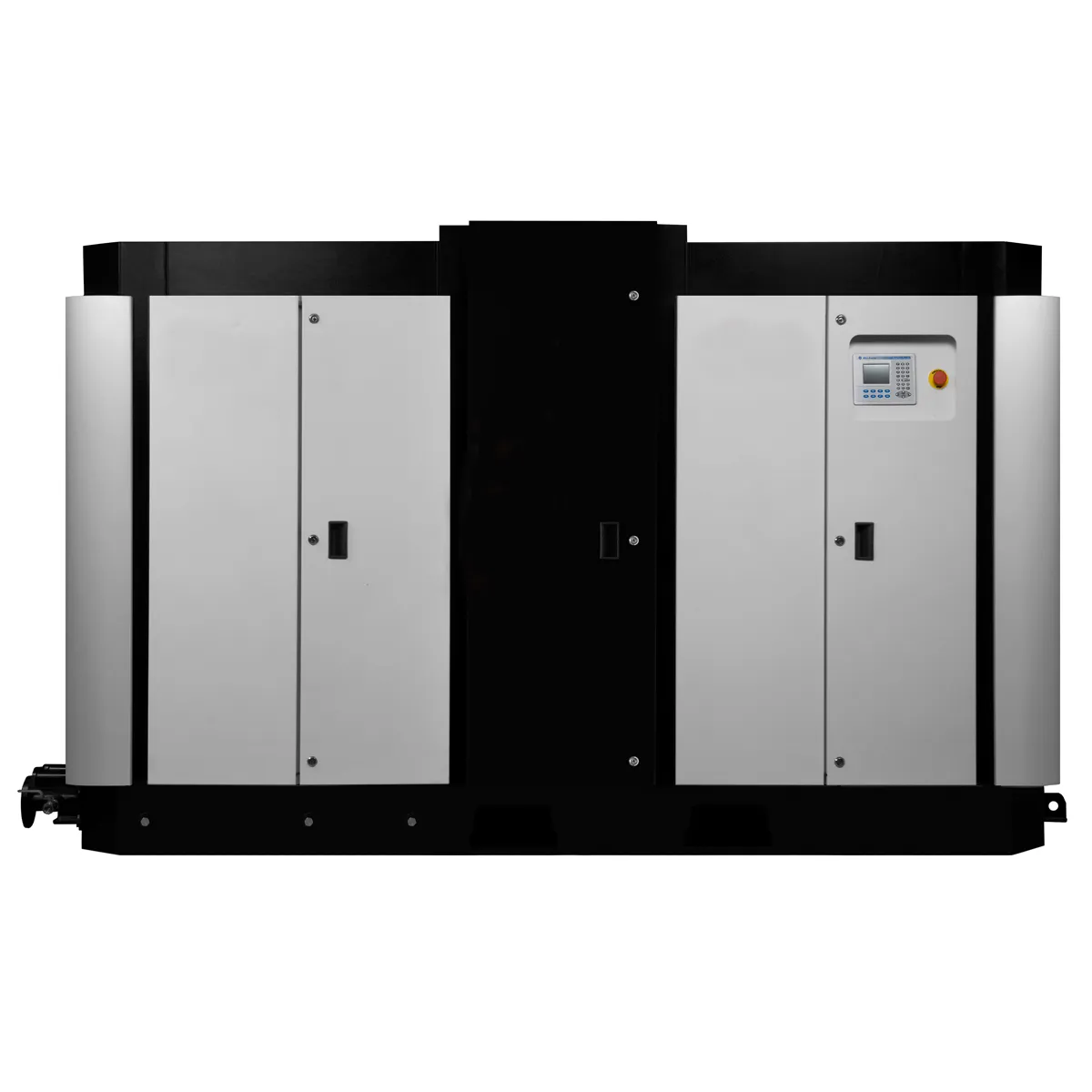
Following the recommended maintenance schedule ensures safe, reliable home oxygen compression throughout the equipment life
Frequently Asked Questions
Ready to Find the Right Oxygen Compressor?
Our engineering team is ready to help you select the ideal unit for your application.