
Oxygen Gas Compressor vs Air Compressor: Understanding the Difference
The question of whether an oxygen gas compressor differs from an air compressor is one of the most common points of confusion among buyers new to oxygen systems. At a mechanical level, both types of machine use the same fundamental compression technologies: pistons, screws, scrolls, or centrifugal impellers. However, the engineering differences between a machine designed for oxygen service and one built for compressed air are substantial and safety-critical.
This guide explains precisely what distinguishes an oxygen air compressor from a standard compressed air unit, why these differences exist, and in which situations you absolutely must choose a machine specifically designed for oxygen service rather than adapting a standard air compressor.
Further Reading: Looking for the best oil-free air compressors for industrial and medical applications? Visit our comprehensive guide at
oil-free-air-compressor.com for expert reviews, specifications, and buying advice on premium oil-free compressor technology.
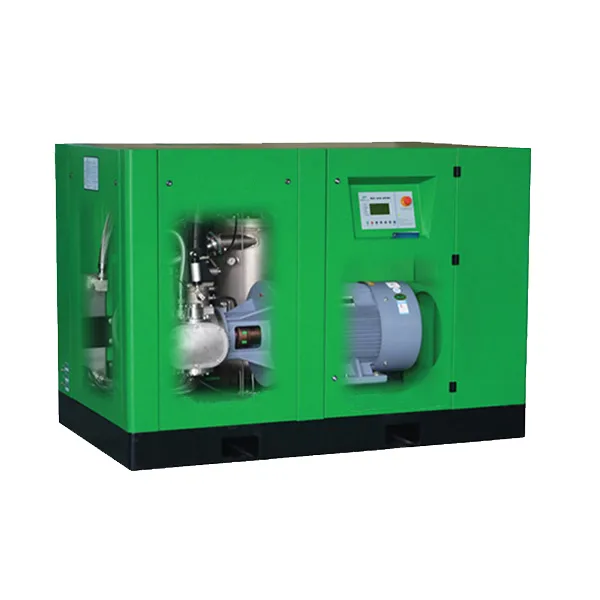
Oxygen gas compressors and air compressors share mechanical principles but differ critically in materials, lubrication, and safety
The Core Differences Explained
| Design Factor | Standard Air Compressor | Oxygen Gas Compressor |
|---|---|---|
| Oxygen Concentration | 21% (ambient air) | 90% to 99.5% |
| Lubrication | Oil-lubricated or oil-free | Strictly oil-free in gas path only |
| Internal Materials | Standard steels, aluminium, NBR seals | SS316L, Monel, PTFE, PCTFE seals |
| Cleanliness Standard | General industrial clean | Oxygen-service cleaned per EIGA Doc 33 |
| Pressure Relief | Standard safety valve | Oxygen-rated, monthly tested |
| Safety Instrumentation | Basic pressure and temperature | Full stage monitoring, O2 detection, auto-shutdown |
| Certification | CE for machinery | PED + oxygen service documentation |
| Material Certs | Not typically required | Full traceability for all wetted parts |
| Valve Materials | Carbon steel or stainless | Monel or stainless, no grease permitted |
| Purchase Cost | Lower | Higher (30 to 200% premium) |
Why Oxygen Changes Everything About Compressor Design
Oxygen itself is not flammable. However, it dramatically accelerates the combustion of everything else. In an atmosphere of 21 percent oxygen (normal air), most materials have familiar combustion properties. As oxygen concentration rises above 30 percent, and especially above 50 percent, the ignition energy required to start combustion of many materials drops sharply.
A standard oil-lubricated air compressor relies on a film of oil on the cylinder walls as both sealant and lubricant. In normal air this is safe. In 95 percent oxygen at 100 bar, the same oil could ignite from the heat of adiabatic compression alone when a valve opens rapidly. The result would be a compressor fire or explosion.
Adiabatic Ignition Risk
Rapidly opening a valve in a high-pressure oxygen system compresses the gas in the downstream space almost instantaneously, generating intense heat. If any combustible material is present at the sealing surface, it can ignite.
Particle Impact Ignition
Small particles of metal or polymer moving at high velocity in an oxygen stream can ignite on impact with a surface, even at room temperature. This is why oxygen compressors require clean inlet filters and internal surfaces free of loose scale or debris.
Promoted Combustion
Materials that are merely warm in air can burn spontaneously in high-concentration oxygen. Carbon steel, for example, burns in oxygen atmospheres and is excluded from oxygen gas paths. Stainless steel has better but not unlimited resistance.
When Can You Use an Air Compressor for Oxygen-Adjacent Applications?
There are a small number of situations where a standard air compressor is used in connection with oxygen systems without being directly in the oxygen gas path:
- PSA concentrator feed air: The air compressor feeding a PSA oxygen concentrator handles ambient air (21 percent oxygen) on its outlet side and is not directly in the oxygen path. However, it must still be oil-free to protect the concentrator sieve beds from contamination. A standard oil-lubricated air compressor is therefore not suitable here either.
- Instrument air for control systems: Pneumatic control systems on oxygen plants use instrument air (not oxygen) for valve actuators and controls. Standard clean, dry compressed air systems are acceptable for this application.
- Cooling air for compressor enclosures: External cooling air fans or ventilation systems around an oxygen compressor enclosure handle only ambient air and can use standard fan technology.
- Material testing rigs: Research applications testing material behaviour in oxygen atmospheres may use standard air compressors to pressurise a separate vessel with air before introducing oxygen from a dedicated oxygen system.
If your application involves introducing the compressed gas directly into an oxygen-enriched environment or combining it with an oxygen stream, only use a compressor certified for oxygen service. When in doubt, consult a qualified oxygen safety engineer before specifying equipment.
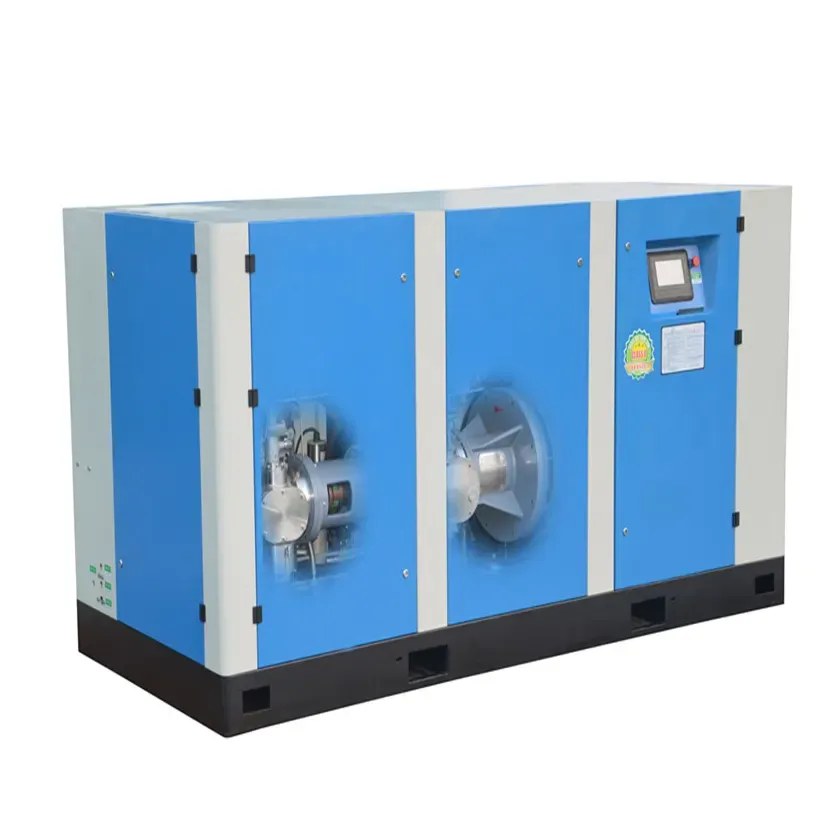
Understanding service requirements helps operators maintain oxygen compressors safely throughout their working life
Frequently Asked Questions
Get Expert Advice Today
Send us your specifications and receive a tailored recommendation within 24 hours.