
The Working Principle of an Oxygen Compressor
Understanding how an oxygen compressor works starts with a basic physical principle: gas pressure is a function of the number of gas molecules in a given volume. When you reduce the volume available to a fixed number of molecules, their collisions with the container walls become more frequent and more forceful, which we measure as higher pressure. Every type of oxygen compressor achieves this volume reduction through a different mechanical mechanism, but all operate on this same fundamental gas law.
What makes an oxygen compressor distinctly different from understanding how any other gas compressor works is the chemical reactivity of the gas being handled. Oxygen at elevated concentrations and pressures accelerates combustion dramatically. This means the materials, lubricants, and design philosophy of an oxygen compressor must address reactivity risks that simply do not exist when compressing air or nitrogen.
Further Reading: Looking for the best oil-free air compressors for industrial and medical applications? Visit our comprehensive guide at
oil-free-air-compressor.com for expert reviews, specifications, and buying advice on premium oil-free compressor technology.
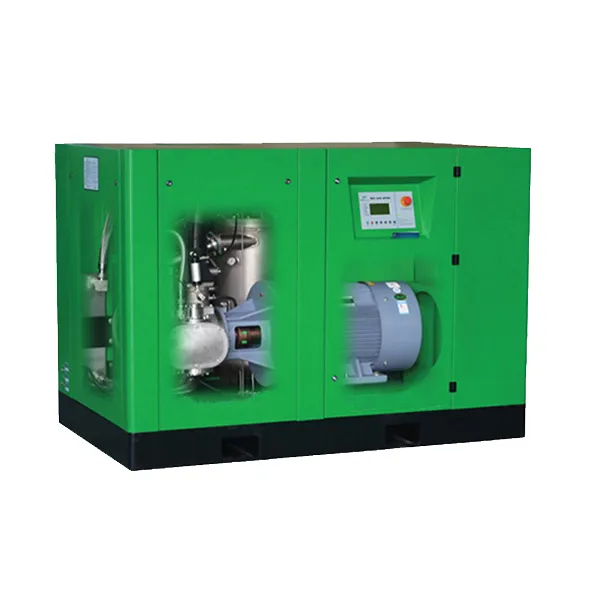
Understanding the working principle of oxygen compressors helps operators and engineers use them safely and effectively
Stage-by-Stage: How Multi-Stage Oxygen Compression Works
Stage 1 Inlet
Oxygen enters the first-stage cylinder from the supply source at inlet pressure, typically 1 to 10 bar for a booster application or near atmospheric for a primary compressor. The inlet valve opens and the piston descends, drawing gas into the cylinder.
Stage 1 Compression
The inlet valve closes and the piston ascends, compressing the gas. The compression ratio in stage one is typically 3 to 4:1, raising the gas pressure from, say, 1 bar to 3 or 4 bar. The gas temperature rises significantly due to the heat of compression.
Stage 1 Intercooler
Hot compressed gas discharges from the first stage through the outlet valve into an intercooler. The intercooler removes the heat of compression, returning the gas to near-ambient temperature. Cooling the gas before the next stage is essential for efficiency and to keep temperatures within the safe range for oxygen service.
Stages 2, 3, and 4
The cooled gas from the intercooler enters the second stage cylinder at higher pressure than stage one. The same compression and cooling cycle repeats. Each stage uses a smaller cylinder diameter than the previous stage, reflecting the higher gas density at elevated pressure. A four-stage compressor can take oxygen from 1 bar to 200 bar in this sequential manner.
Aftercooler and Separation
After the final compression stage, the gas passes through an aftercooler that removes the final heat of compression. Moisture that condensed during intercooling is collected in separator vessels between stages and drained away. The dried, cooled, compressed oxygen then flows to the storage vessel or process.
Safety Monitoring
Throughout the entire compression sequence, temperature sensors at each stage outlet, pressure transmitters on each vessel, and a control system monitor every parameter. Any out-of-range reading triggers an alarm or automatic shutdown before conditions become unsafe.
PSA Oxygen Plant: How the Compressor Fits In
Many users ask specifically about an air compressor used in a PSA oxygen plant. In this application, the compressor is the first and most critical component in the oxygen generation chain:
Feed Air Compression
An oil-free compressor draws ambient air from atmosphere and compresses it to typically 4 to 10 bar. This is the feed air compressor or process air compressor of the PSA plant.
Air Drying
The compressed air passes through refrigerated and desiccant dryers to remove moisture. Moisture in the feed air degrades zeolite sieve performance and shortens sieve bed life significantly.
PSA Adsorption
The dry compressed air flows through zeolite molecular sieve beds. The zeolite adsorbs nitrogen, allowing oxygen-enriched gas (90 to 95 percent purity) to pass through to the product side.
Oxygen Buffer
The concentrated oxygen collects in a product buffer vessel at low pressure (typically 5 to 8 bar), smoothing the cyclic output of the PSA beds.
Oxygen Boost (Optional)
If cylinder filling or high-pressure distribution is required, a separate oxygen booster compressor takes the PSA product oxygen and raises it to the target fill or distribution pressure.
Distribution or Storage
The compressed oxygen flows to its end application: patient outlets, industrial processes, or high-pressure storage cylinders.
Why Oil-Free Operation Is Central to How Oxygen Compressors Work
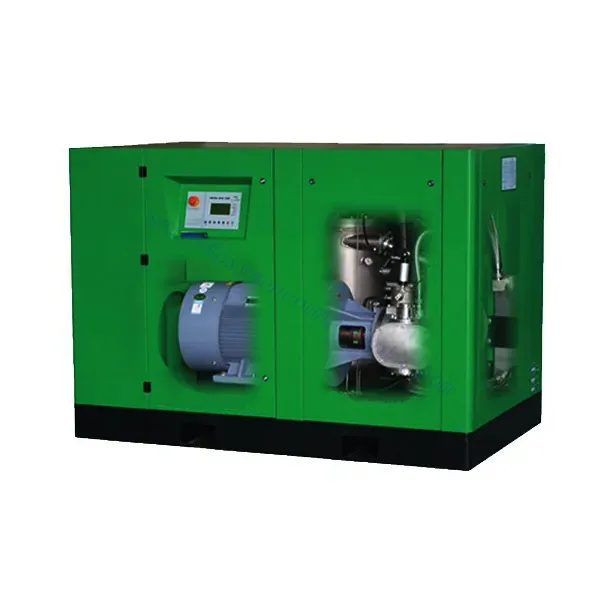
Oil-free compression technology is fundamental to safe oxygen compressor operation
In a conventional oil-lubricated air compressor, a film of lubricating oil reduces friction between the piston rings and cylinder bore, extends component life, and seals the compression space. In an oxygen compressor, introducing any hydrocarbon lubricant into the gas path creates a serious fire and explosion risk.
The autoignition temperature of mineral and synthetic compressor oils drops dramatically in oxygen-enriched atmospheres and under elevated pressure. At 100 bar oxygen partial pressure, some lubricants can ignite at temperatures as low as 80 degrees Celsius, well within the range achieved during normal compression.
Modern oil-free oxygen compressors solve this problem through several engineering approaches. PTFE-coated piston rings provide self-lubrication without any oil. Ceramic cylinder linings reduce friction coefficient. Carbon ring seals transfer a non-combustible film to the bore during initial running. Diaphragm designs eliminate contact altogether. In rotary screw designs, precision rotor profiles maintain such tight tolerances that the screws never touch, requiring no lubrication in the compression chamber.
Frequently Asked Questions
Ready to Find the Right Oxygen Compressor?
Our engineering team is ready to help you select the ideal unit for your application.