
What Is an Oxygen Booster Compressor?
An oxygen booster compressor is a specialised compression system designed to raise the pressure of an existing oxygen supply to a higher level required by downstream processes or storage systems. Unlike a standard compressor that draws gas from atmosphere or a feed source, an oxygen booster receives pre-existing oxygen, whether from a cylinder manifold, a PSA concentrator, a liquid oxygen evaporator, or a pipeline system, and boosts its pressure to the level needed by the application.
The oxygen booster compressor fills a critical gap in oxygen supply chains. Many oxygen generation and supply systems produce oxygen at relatively low pressures, typically 1 to 10 bar, while downstream applications such as cylinder filling, high-pressure welding manifolds, or chemical reactors require 150 to 300 bar. The booster bridges this pressure difference efficiently.
Understanding when you need an oxygen booster compressor, how it differs from other compressor types, and how to select and operate one safely is essential for industrial gas engineers, hospital biomedical teams, and oxygen plant operators.
Further Reading: Looking for the best oil-free air compressors for industrial and medical applications? Visit our comprehensive guide at
oil-free-air-compressor.com for expert reviews, specifications, and buying advice on premium oil-free compressor technology.
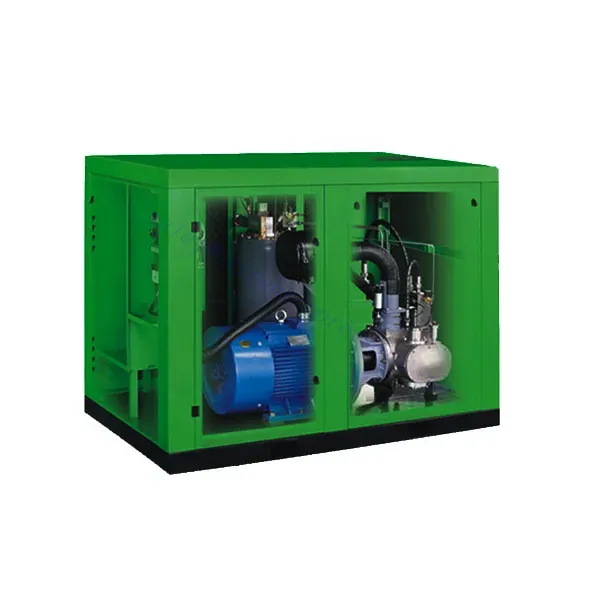
Oxygen booster compressors raise supply pressure from concentrators or bulk sources to cylinder-filling levels
How an Oxygen Booster Compressor Works
Inlet Gas Receives
The booster compressor receives pre-compressed or generated oxygen from a PSA system, liquid evaporator, or cylinder manifold at inlet pressure typically ranging from 0.5 to 20 bar.
Multi-Stage Compression
The booster uses two, three, or four compression stages to progressively increase pressure. Each stage includes an intercooler to manage heat generated by compression.
Temperature Management
Intercoolers between stages bring gas temperature back to ambient before the next compression stage. Final aftercoolers reduce discharge temperature before storage.
High-Pressure Storage
The compressed oxygen is directed to a high-pressure storage cascade, a cylinder filling manifold, or directly to a high-pressure process at the target pressure of 150 to 300 bar.
Automated Control
Modern oxygen booster compressor systems use PLC-based controls to manage inlet pressure regulation, stage pressure monitoring, temperature shutdown, and automatic start-stop based on storage pressure.
Safety Systems
Pressure relief valves on each stage, temperature switches at every intercooler, an emergency stop system, and oxygen-rated burst discs protect the system from overpressure events.
When Do You Need an Oxygen Booster Compressor?
The oxygen booster compressor fills a specific role that a concentrator or primary compressor cannot. You need a booster in these situations:
- Cylinder Filling: You operate an on-site PSA oxygen plant and need to fill portable cylinders at 200 or 300 bar. The PSA concentrator produces oxygen at 5 to 10 bar, and the booster raises it to cylinder fill pressure.
- Cascade Filling: You run a filling station serving divers, fire services, or industrial gas users who require very high pressure storage cylinders up to 300 bar.
- Process Pressure Shortfall: Your industrial process requires oxygen at 50 to 100 bar but your bulk supply or pipeline system delivers it at 10 to 20 bar. A booster closes this gap without replacing the entire supply system.
- Concentrator Output Boosting: PSA concentrator output pressure is often insufficient for medium-pressure pipeline distribution systems. A booster raises the concentrator output to the pipeline operating pressure.
- Emergency Backup: You have a high-pressure nitrogen or inert gas system that can supply emergency backup, and an oxygen booster allows you to use a separate low-pressure oxygen reserve to restore pipeline pressure quickly.
Types of Oxygen Booster Compressors
| Type | Inlet Pressure | Max Outlet | Typical Flow | Best For |
|---|---|---|---|---|
| Piston Booster, 2-stage | 1 to 10 bar | 100 bar | 5 to 50 Nm3/h | Small cylinder filling stations |
| Piston Booster, 3-stage | 5 to 30 bar | 200 bar | 10 to 100 Nm3/h | Medical and industrial filling |
| Piston Booster, 4-stage | 10 to 50 bar | 350 bar | 5 to 50 Nm3/h | High-pressure specialty gas |
| Pneumatic Booster | 0.5 to 10 bar inlet, drives | Up to 1000 bar | Very low flow | Lab and test systems |
| Diaphragm Booster | 1 to 10 bar | 150 bar | 1 to 20 Nm3/h | Ultra-high purity applications |
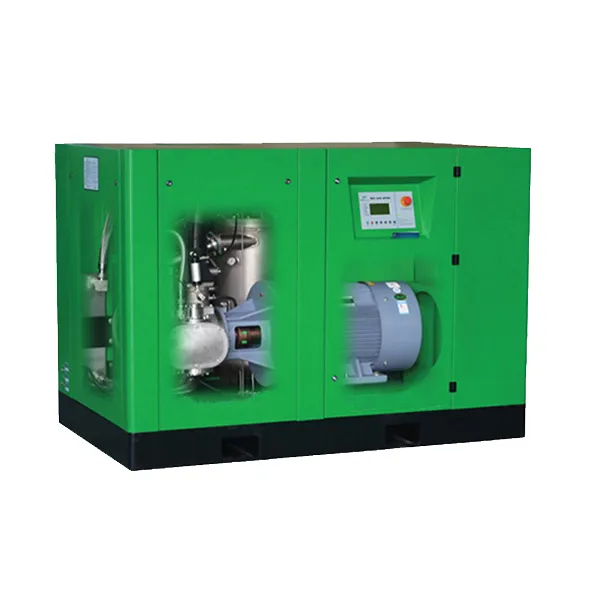
Different oxygen booster compressor types suit different pressure ranges and flow requirements
Safety Considerations Specific to Booster Compressors
Oxygen booster compressors operate at the intersection of high pressure and high oxygen concentration, the most demanding combination for fire and explosion safety. All oxygen booster compressor installations must undergo a formal Hazard and Operability (HAZOP) study before commissioning, and all operators must be trained in oxygen safety principles.
Oxygen-Compatible Material Selection
Verify that every component in the oxygen gas path, including valves, fittings, flexible hoses, and instrumentation, is rated and cleaned for oxygen service per EIGA Doc 33 or CGA G-4.4.
Slow Valve Opening Protocol
Opening high-pressure oxygen valves too quickly generates adiabatic compression that can ignite valve seat materials. Train all operators in slow valve opening procedures with no valve opened in less than 3 to 5 seconds.
Pressure Relief Sizing
Size pressure relief valves to pass the full booster output flow without building pressure above the system design limit, even if the downstream isolation valve is fully closed.
Dedicated Fire Suppression
Install an automatic gas suppression system (CO2 or inert gas, not water) in the booster room. Position manual extinguishers approved for oxygen service at all room exits.
Regular Leak Testing
Test all high-pressure connections with oxygen-compatible leak detection fluid (not standard soapy water which can leave residues) after every maintenance activity and on a scheduled quarterly basis.
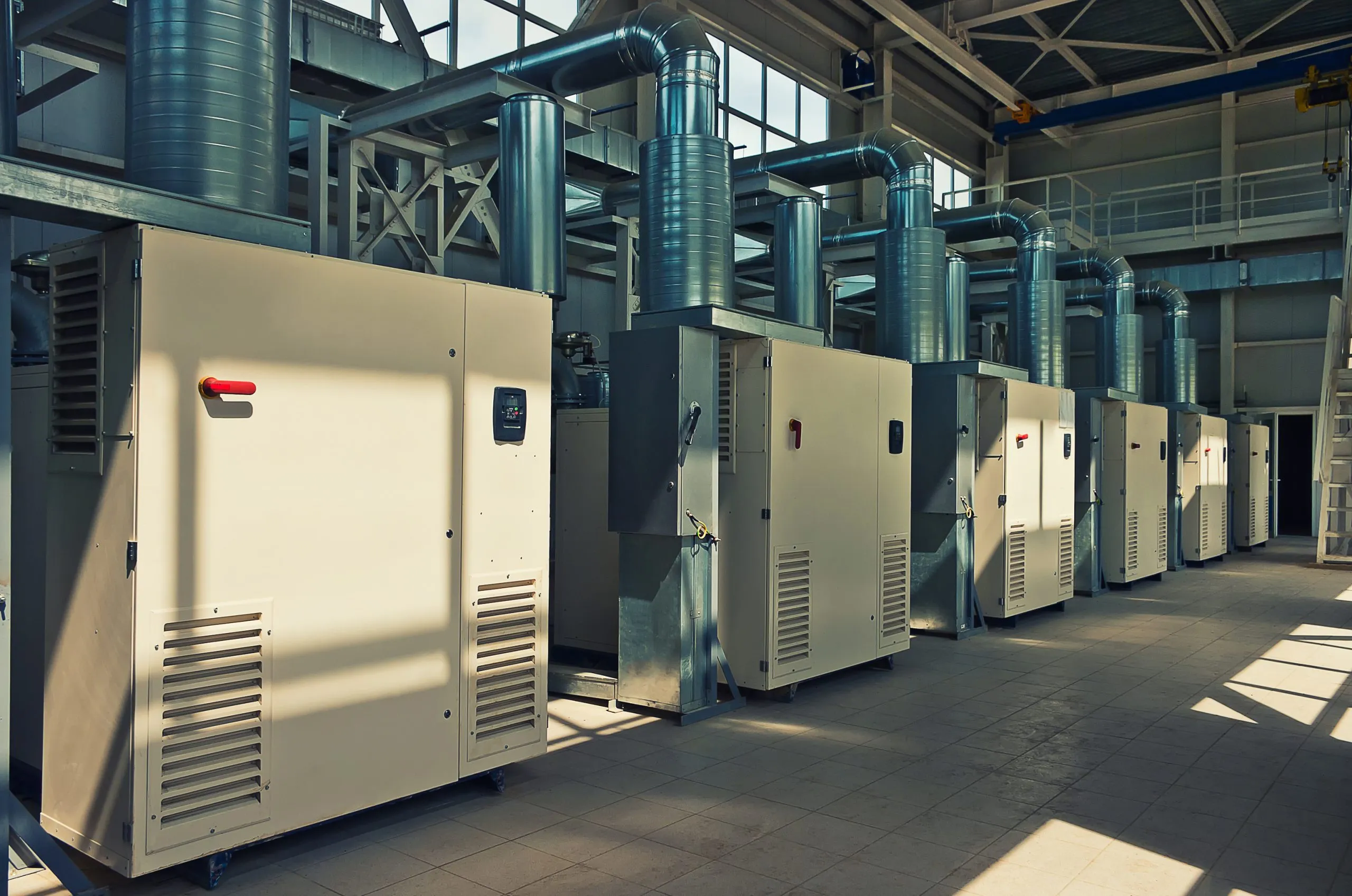
A properly installed oxygen booster compressor system includes comprehensive safety instrumentation and fire suppression
Frequently Asked Questions
Ready to Find the Right Oxygen Compressor?
Our engineering team is ready to help you select the ideal unit for your application.