
Oxygen Cylinder Filling Compressor: The Complete Equipment Guide
An oxygen cylinder filling compressor is the central piece of equipment in any oxygen cylinder filling station, whether a large industrial gas producer filling thousands of cylinders per day or a small medical facility maintaining a local cylinder stock. These compressors take oxygen from a bulk source, a PSA concentrator output, or a liquid oxygen evaporator, and raise it to the standard cylinder fill pressures of 150, 200, or 300 bar.
The market for oxygen cylinder filling compressor equipment spans a wide range of capacities, from compact two-cylinder piston units filling a few cylinders per day to large multi-stage compressor trains running 24 hours per day at major industrial gas filling plants. Selecting the right system requires understanding the oxygen source, the cylinder specifications, the required throughput, and the safety standards applicable to the installation country.
Further Reading: Looking for the best oil-free air compressors for industrial and medical applications? Visit our comprehensive guide at
oil-free-air-compressor.com for expert reviews, specifications, and buying advice on premium oil-free compressor technology.
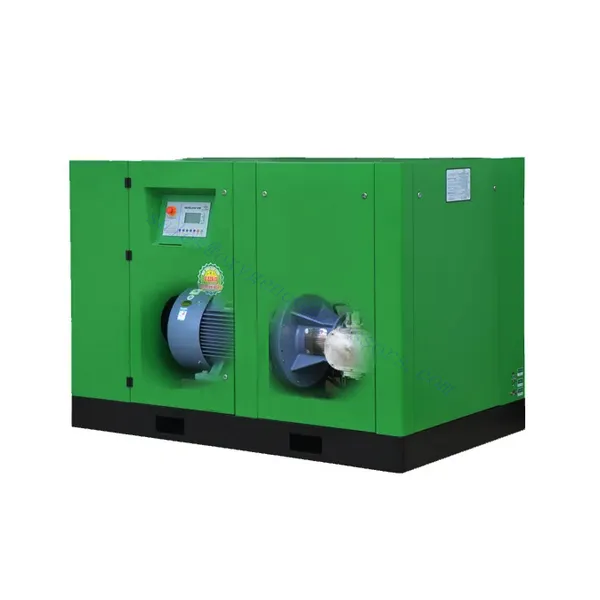
A complete oxygen cylinder filling compressor station for medical and industrial gas applications
Types of Oxygen Cylinder Filling Stations
Industrial Gas Filling Plants
Large-scale facilities filling hundreds to thousands of cylinders per day using multi-stage oil-free piston compressors with automated cylinder manifolds and quality testing.
Hospital On-Site Filling
Hospitals with on-site PSA oxygen generation install cylinder filling compressor systems to eliminate cylinder deliveries and maintain a buffer stock for emergency backup.
Dive and Breathing Gas Filling
Dive centres and fire service training facilities use oxygen booster compressors to fill high-pressure breathing apparatus cylinders at 200 or 300 bar.
Specialty Gas Producers
Specialty gas blenders use oxygen cylinder filling compressors as part of multi-gas blending operations serving laboratory, calibration, and analytical markets.
Emergency Services Depots
Fire brigades, ambulance services, and search and rescue teams maintain local filling capability to ensure 24-hour readiness of breathing apparatus.
Remote and Off-Grid Sites
Mining operations, remote hospitals, and military installations in remote locations use on-site PSA generation combined with cylinder filling compressors for complete supply independence.
Complete Cylinder Filling Station Components
Oxygen Source
The oxygen supply may be a PSA concentrator producing 90 to 95 percent purity oxygen, a liquid oxygen storage vessel and evaporator delivering 99.5 percent purity, or a pipeline connection from an external supply point.
Inlet Buffer Vessel
A buffer vessel between the oxygen source and the compressor smooths pressure fluctuations and provides a small reservoir that allows the compressor to start under reduced load conditions.
Multi-Stage Filling Compressor
The heart of the station. A two, three, or four-stage oil-free piston compressor raises oxygen pressure from the inlet level to the target cylinder fill pressure with interstage cooling at each stage.
Aftercooler and Dryer
High-pressure oxygen leaving the final stage is hot and saturated with moisture. An aftercooler reduces the temperature, and a molecular sieve or refrigerated dryer removes moisture to the dew point specified for the cylinder application.
High-Pressure Storage Cascade
A bank of high-pressure storage vessels at the target fill pressure acts as a buffer between the continuous compressor output and the intermittent demand from the filling process. The cascade typically contains 30 to 60 minutes of filling capacity.
Filling Manifold
The filling manifold connects the high-pressure storage cascade to the cylinders being filled. It includes pressure gauges, fill valves for each cylinder connection, and an automated fill control panel that manages fill sequence and shutoff.
Oxygen Analyser
An inline oxygen purity analyser verifies product purity before and during filling. Any purity drop below specification triggers an alarm and prevents contaminated gas from entering cylinders.
Certificate of Conformity System
A batch tracking and documentation system records the date, time, compressor identification, purity reading, and cylinder serial numbers for every fill event, providing the traceability required by medical and industrial gas standards.
Key Specifications for Oxygen Filling Compressors
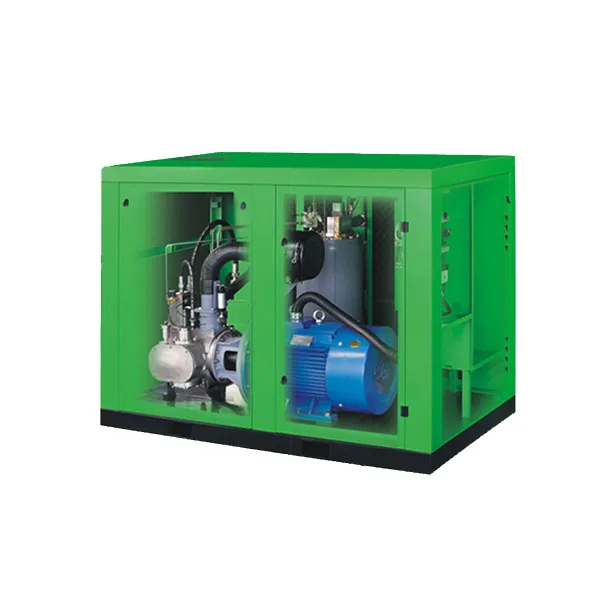
Key technical specifications determine the suitability of a filling compressor for your cylinder type and throughput
| Specification | Typical Range | Notes |
|---|---|---|
| Inlet Pressure | 0.5 to 30 bar | Must match your oxygen source output |
| Outlet Pressure | 150, 200 or 300 bar | Must match your cylinder working pressure |
| Flow Rate | 0.5 to 500 Nm3/h | Determine from daily cylinder count times cylinder volume |
| Purity Compatibility | 90 to 99.5% | PSA concentrators produce 90 to 95%; liquid O2 is 99.5% |
| Stages | 2 to 5 stages | More stages for higher pressures, better efficiency |
| Cooling | Air-cooled or water-cooled | Water cooling preferred for continuous duty |
| Drive | Belt drive or direct drive | Direct drive is quieter and lower maintenance |
| Duty Cycle | Intermittent or continuous | Continuous for high throughput filling stations |
Regulatory Requirements for Cylinder Filling Operations
Oxygen cylinder filling is one of the most heavily regulated activities in industrial gas production. Requirements vary by country but typically cover:
- Personnel qualification: Cylinder filling operators must hold recognised qualifications in oxygen safety and cylinder handling, such as British Compressed Gases Association (BCGA) certification in the UK or Compressed Gas Association (CGA) training programmes in North America.
- Equipment inspection: Cylinders must be inspected before every fill, checking for damage, correct valve type, hydrostatic test date validity, and cleanliness.
- Cylinder testing: Periodic hydraulic pressure testing of the cylinder body is mandatory at intervals defined by the applicable standard (typically every 5 or 10 years).
- Gas quality testing: Medical oxygen cylinders require oxygen purity, moisture, carbon dioxide, and carbon monoxide analysis from each filling batch, with retained samples held for the batch record.
- Batch traceability: Full batch records must be maintained linking every filled cylinder to the analysis certificate, compressor used, operator identification, and fill date.
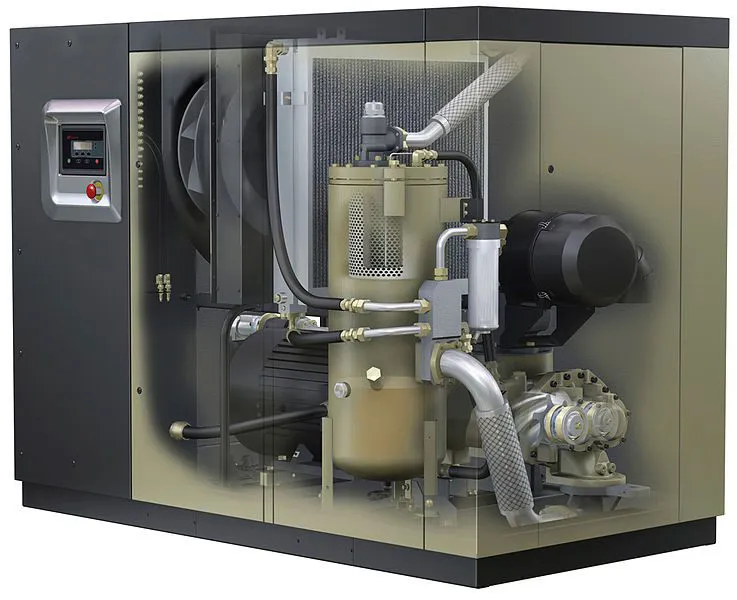
Regulatory compliance in oxygen cylinder filling requires comprehensive record-keeping and quality analysis systems
Frequently Asked Questions
Get Expert Advice Today
Send us your specifications and receive a tailored recommendation within 24 hours.