
What Is a HomeFill Oxygen Compressor?
A HomeFill oxygen compressor is a compact, home-based device that enables patients receiving long-term oxygen therapy to refill their own portable oxygen cylinders directly at home. Rather than waiting for scheduled cylinder deliveries or making inconvenient trips to a supplier, patients with a homefill system gain independence and flexibility in managing their oxygen supply.
The concept emerged from the practical challenges of home oxygen therapy. COPD, pulmonary fibrosis, and other chronic lung conditions often require patients to use supplemental oxygen for 15 to 24 hours per day. Traditional cylinder delivery models struggle to keep pace with high-volume users, particularly those who are active and leave home frequently.
Home oxygen compressor systems work by drawing oxygen-enriched air from a stationary concentrator, further compressing it, and storing it in small cylinders that the patient carries during activity. This creates a self-sufficient home oxygen ecosystem that drastically reduces dependence on external supply chains.
Further Reading: Looking for the best oil-free air compressors for industrial and medical applications? Visit our comprehensive guide at
oil-free-air-compressor.com for expert reviews, specifications, and buying advice on premium oil-free compressor technology.
How a Home Oxygen Compressor System Works
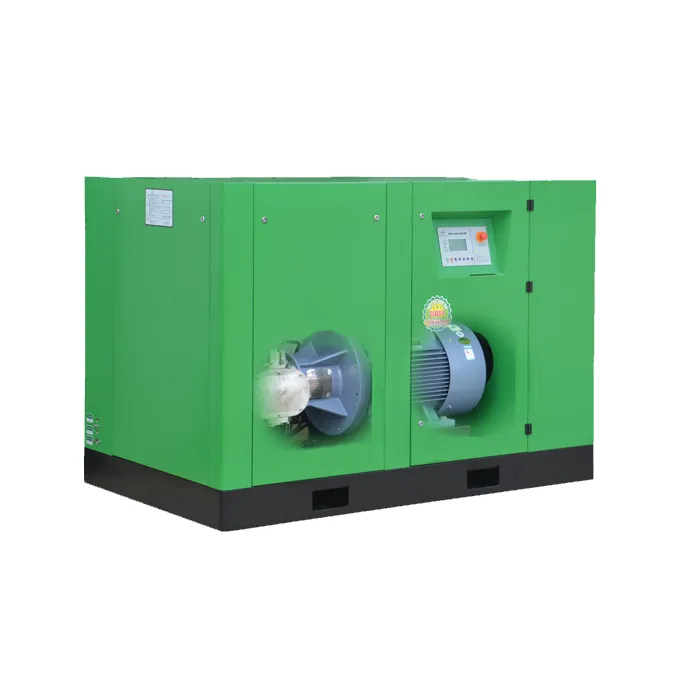
A home oxygen filling compressor system allows patients to independently refill portable oxygen cylinders
Understanding the process helps patients and caregivers use the system safely and efficiently. The homefill oxygen system operates in the following sequence:
Stationary Concentrator Operates
The base unit, a stationary PSA oxygen concentrator, continuously separates oxygen from room air. This concentrator produces oxygen at 90 to 95 percent purity at flow rates of 5 to 10 litres per minute.
Compressor Draws Concentrated Oxygen
The home oxygen compressor connects to the concentrator outlet and draws the oxygen-enriched gas stream. The compressor must not be connected directly to room air, as this would fill the cylinder with air rather than oxygen.
Multi-Stage Compression
The homefill compressor raises the pressure from approximately 0.5 to 1 bar at the concentrator outlet up to 2000 or 3000 PSI (138 or 207 bar), the standard pressure for small medical oxygen cylinders. This is achieved through two or three compression stages with intercooling between each.
Cylinder Fills
The compressed, oxygen-enriched gas flows through high-pressure tubing into the portable cylinder. A pressure gauge on the filler indicates the fill progress. Fill times range from 2 to 4 hours for a standard D or E-size cylinder, depending on compressor capacity.
Automatic Shutoff
Most homefill oxygen compressor units include an automatic pressure shutoff that stops the compressor when the cylinder reaches the target fill pressure, preventing overfill and protecting the cylinder.
Advantages of a Home Oxygen Filling Compressor
True Independence
Patients refill cylinders on their own schedule, day or night, without waiting for delivery windows or rushing through outpatient oxygen supplier queues.
Long-Term Cost Savings
Although the upfront cost is higher, homecare operators save on cylinder rental, delivery fees, and logistics overheads over a 3 to 5-year period.
Reduced Waste
Fewer cylinder deliveries mean less vehicle traffic, reduced packaging waste, and a lower carbon footprint for the overall home oxygen therapy programme.
Always-Available Supply
Even during severe weather, public holidays, or supply chain disruptions, a patient with a homefill system can refill their cylinders without interruption.
Active Lifestyle
Lightweight D-size or M9-size cylinders can be carried in bags or trolleys, enabling oxygen-dependent patients to remain active and socially engaged.
Remote Monitoring Ready
Many modern portable oxygen compressor home use models include Bluetooth connectivity for usage logging and remote monitoring by clinical teams.
Choosing the Right Home Oxygen Compressor
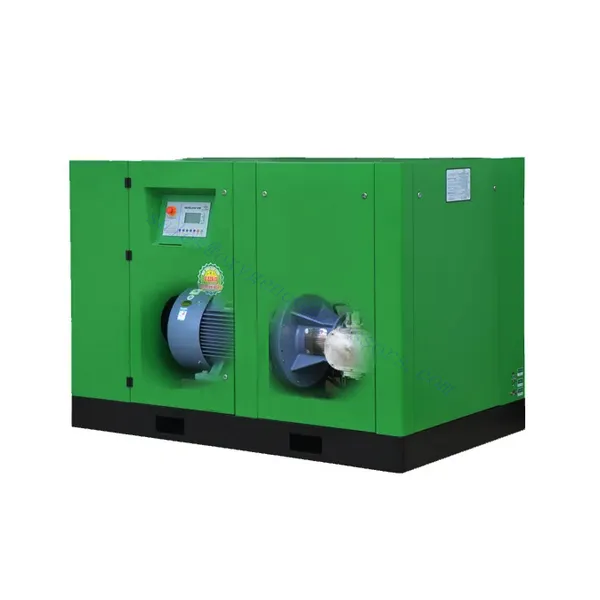
Selecting the right portable oxygen compressor for home use requires matching it to your concentrator and cylinder size
Not every homefill oxygen compressor is compatible with every stationary concentrator or cylinder size. Key factors to evaluate include:
- Inlet flow requirement: The compressor must be rated for the oxygen output of your concentrator model. If your concentrator produces 5 LPM but the compressor requires 6 LPM inlet flow, purity will drop.
- Fill pressure: Check whether you use 2000 PSI or 3000 PSI cylinders and confirm the compressor matches your cylinder specification.
- Cylinder compatibility: Confirm the filler coupling is compatible with your cylinder valve type (CGA 870 Pin-Index or CGA 540 in the US, BS 341 or DISS in the UK and Europe).
- Noise level: Oxygen compressors for home use operate in bedrooms and living spaces. Look for models rated below 55 dB(A).
- Dimensions and weight: Counter space and storage area vary significantly between homes. Measure your available space before ordering.
- Warranty and service: Medical home equipment should carry at minimum a 2-year warranty with a local service provider network.
- Power consumption: Running a homefill oxygen compressor for 3 to 4 hours per refill cycle adds to household electricity costs. Compare rated wattage between models.
Never attempt to modify or repair a home oxygen compressor yourself. These devices operate at high pressures with enriched oxygen atmospheres that create serious fire and explosion risks if incorrectly serviced. Only trained technicians should open or adjust the compressor.
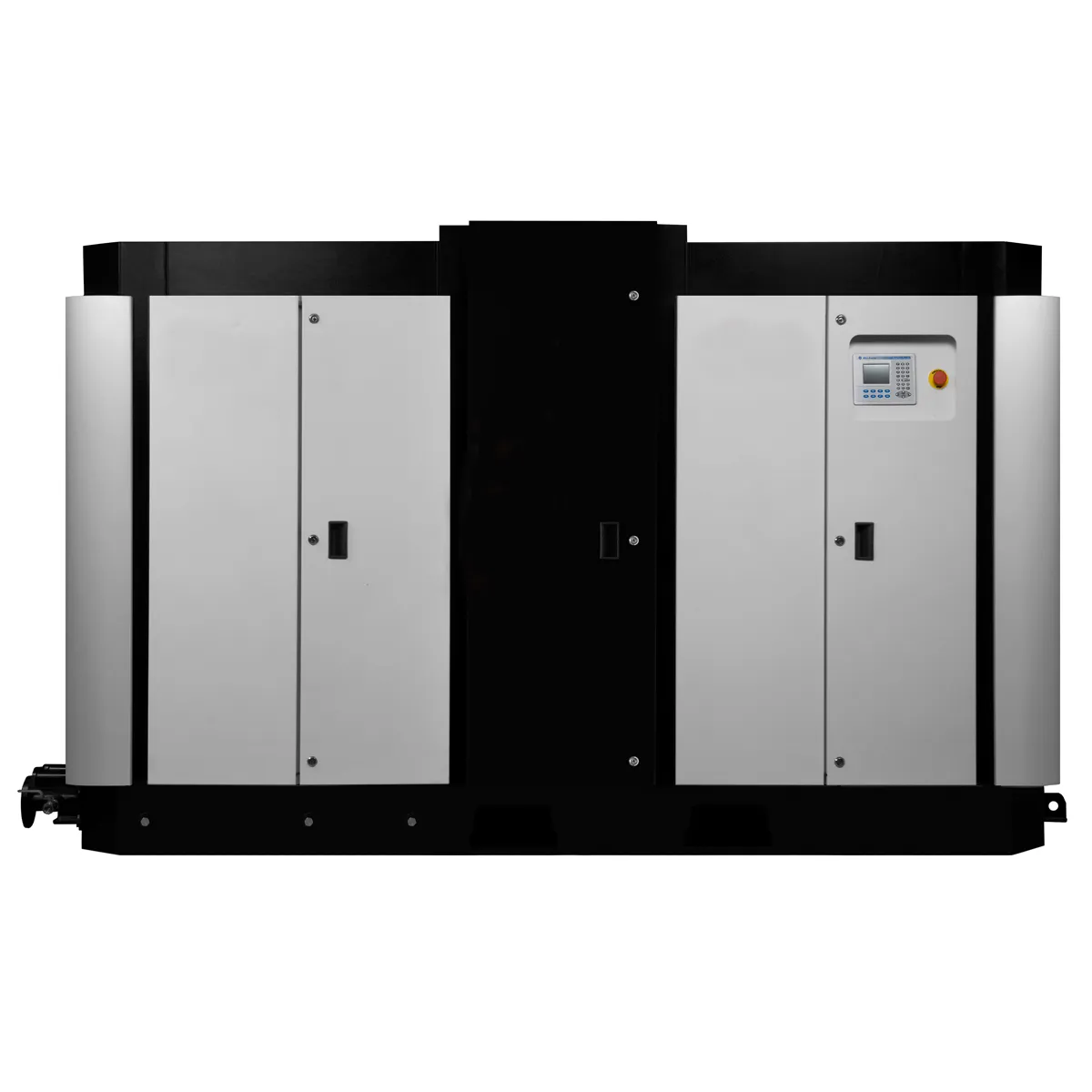
Oil-free technology is essential in home oxygen compressor systems to prevent contamination
Safety Rules for Home Oxygen Systems
No Smoking Policy
Maintain a strict no-smoking zone within at least 3 metres of any oxygen equipment. Post visible no-smoking signs in all relevant rooms.
Keep Away from Heat Sources
Store filled cylinders away from radiators, direct sunlight, and open flames. Never store cylinders in a vehicle glove compartment or boot on hot days.
Dedicated Electrical Circuit
Run the oxygen compressor on a dedicated circuit with no extension leads or multi-socket adapters. Overloaded circuits near oxygen-enriched environments are a fire hazard.
Log Every Fill
Record the date, time, and cylinder fill level in a logbook. This helps identify trends in usage and assists clinical reviews.
Annual Calibration
Have a qualified technician verify oxygen purity output and compressor pressure calibration annually or per the manufacturer schedule.
Emergency Plan
Ensure all household members know the emergency shut-off procedure, have the supplier emergency number, and understand evacuation procedure if an oxygen leak is suspected.
Frequently Asked Questions
Ready to Find the Right Oxygen Compressor?
Our engineering team is ready to help you select the ideal unit for your application.