
Why Oil-Free Technology Is Non-Negotiable for Oxygen Service
An oil free oxygen compressor is not simply a design preference, it is a fundamental safety requirement. When oxygen gas at elevated concentrations comes into contact with hydrocarbon lubricants such as mineral oil, synthetic oil, or silicone greases under pressure, the risk of catastrophic ignition is severe. Even trace amounts of oil contamination, measured in parts per million, can trigger fires or explosions in high-pressure oxygen systems.
For medical applications, there is an additional purity imperative. Molecular sieve beds in PSA oxygen concentrators are permanently damaged by oil aerosols. A single contamination event can render an entire zeolite bed useless, requiring costly replacement and causing extended system downtime that can compromise patient care.
This guide explores how modern oil free oxygen compressor technology works, what makes it suitable for medical and laboratory applications, how to evaluate competing technologies, and what maintenance practices preserve oil-free performance over the system lifetime.
Further Reading: Looking for the best oil-free air compressors for industrial and medical applications? Visit our comprehensive guide at
oil-free-air-compressor.com for expert reviews, specifications, and buying advice on premium oil-free compressor technology.
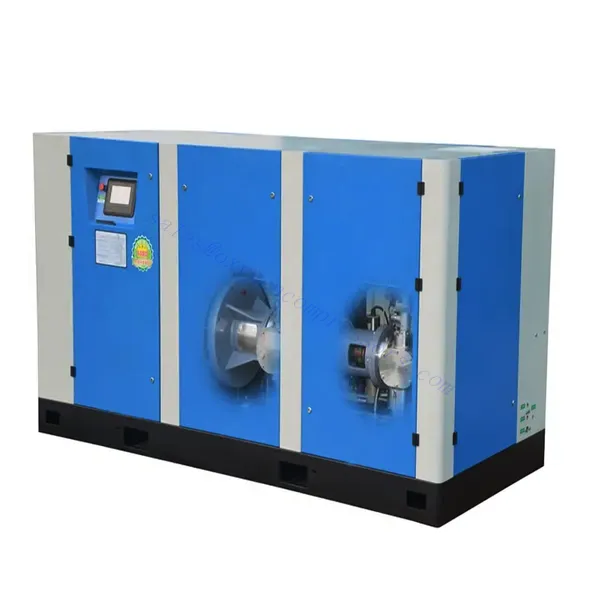
Oil-free oxygen compressors are mandatory for medical-grade and laboratory oxygen applications
The Science Behind Oil-Free Compression
Why Conventional Compressors Cannot Serve Oxygen
In a standard oil-lubricated compressor, a film of oil on the cylinder walls and piston rings serves as both a seal and a lubricant. This oil inevitably enters the compressed gas stream as a fine aerosol or vapour. In compressed air systems, this contamination is managed by filtration. In oxygen service, however, the elevated oxygen partial pressure dramatically lowers the autoignition temperature of these hydrocarbon oils, making filtration alone an insufficient safety measure.
PTFE-Lined Piston Rings
The most common oil free compressor for oxygen concentrator design uses piston rings made from PTFE (polytetrafluoroethylene). PTFE has a very low coefficient of friction, allowing it to slide against the cylinder bore without external lubrication. It is also chemically inert and fully compatible with high-concentration oxygen at the pressures typical of PSA concentrator applications.
Carbon and Ceramic Ring Technology
For higher pressures and temperatures, self-lubricating carbon piston rings provide excellent performance without any external lubrication. Carbon rings transfer a microscopic self-lubricating film to the cylinder wall during running-in, which is non-combustible and inert in oxygen service.
Scroll Compressor Technology
Oil-free scroll compressors use two interlocking spiral elements, one fixed and one orbiting, to progressively compress gas from the outer perimeter to the centre. The sealing is achieved by the precision-machined spiral profiles themselves. Scroll units produce almost no pulsation and very low noise, making them popular for medical and laboratory oil free oxygen compressor applications.
Diaphragm Compressors
For the absolute highest purity applications in laboratory oxygen supply, analytical instruments, and pharmaceutical processes, diaphragm compressors use a flexible membrane instead of a piston. The gas chamber is completely sealed from the drive mechanism, guaranteeing zero oil contamination regardless of operating hours.
Medical and Laboratory Applications Requiring Oil-Free Oxygen Compression
Hospital PSA Systems
On-site hospital oxygen generation using PSA technology requires oil-free feed air and oil-free boost compression to protect molecular sieve beds and maintain medical-grade purity.
Analytical Instruments
Gas chromatographs, mass spectrometers, and atomic absorption instruments require carrier-grade or analytical-grade oxygen with zero hydrocarbon contamination.
Pharmaceutical Manufacturing
GMP-compliant pharmaceutical manufacturing processes using oxygen for fermentation, oxidation reactions, or sterilisation require documented oil-free supply.
Hyperbaric Oxygen Therapy
Hyperbaric chambers for wound healing and decompression treatment require 100 percent oxygen at elevated ambient pressure, making oil-free supply an absolute requirement.
Research Laboratories
Combustion research, fuel cell testing, and materials science laboratories need certified oil-free oxygen for reliable experimental results.
Food and Beverage
Modified atmosphere packaging (MAP) using oxygen requires food-grade oil-free compression to prevent contamination of packaged food products.
ISO 8573-1 Classification for Oil-Free Compression
| ISO 8573-1 Class | Total Oil Content (liquid+aerosol+vapour) | Typical Application |
|---|---|---|
| Class 0 | As specified by equipment manufacturer, effectively 0 mg/m3 | Medical oxygen, analytical, pharmaceutical |
| Class 1 | Less than 0.01 mg/m3 | High-sensitivity laboratory instruments |
| Class 2 | Less than 0.1 mg/m3 | Food processing, general medical air |
| Class 3 | Less than 1 mg/m3 | Industrial processes with modest purity needs |
| Class 4 | Less than 5 mg/m3 | General industrial pneumatics, non-critical |
For any oxygen compressor application, the target is ISO 8573-1 Class 0 or Class 1. This is only reliably achieved with inherently oil-free compression technology, not oil-lubricated compressors with downstream filtration, which can bypass filters during failure modes.
Maintaining Oil-Free Performance Over Time
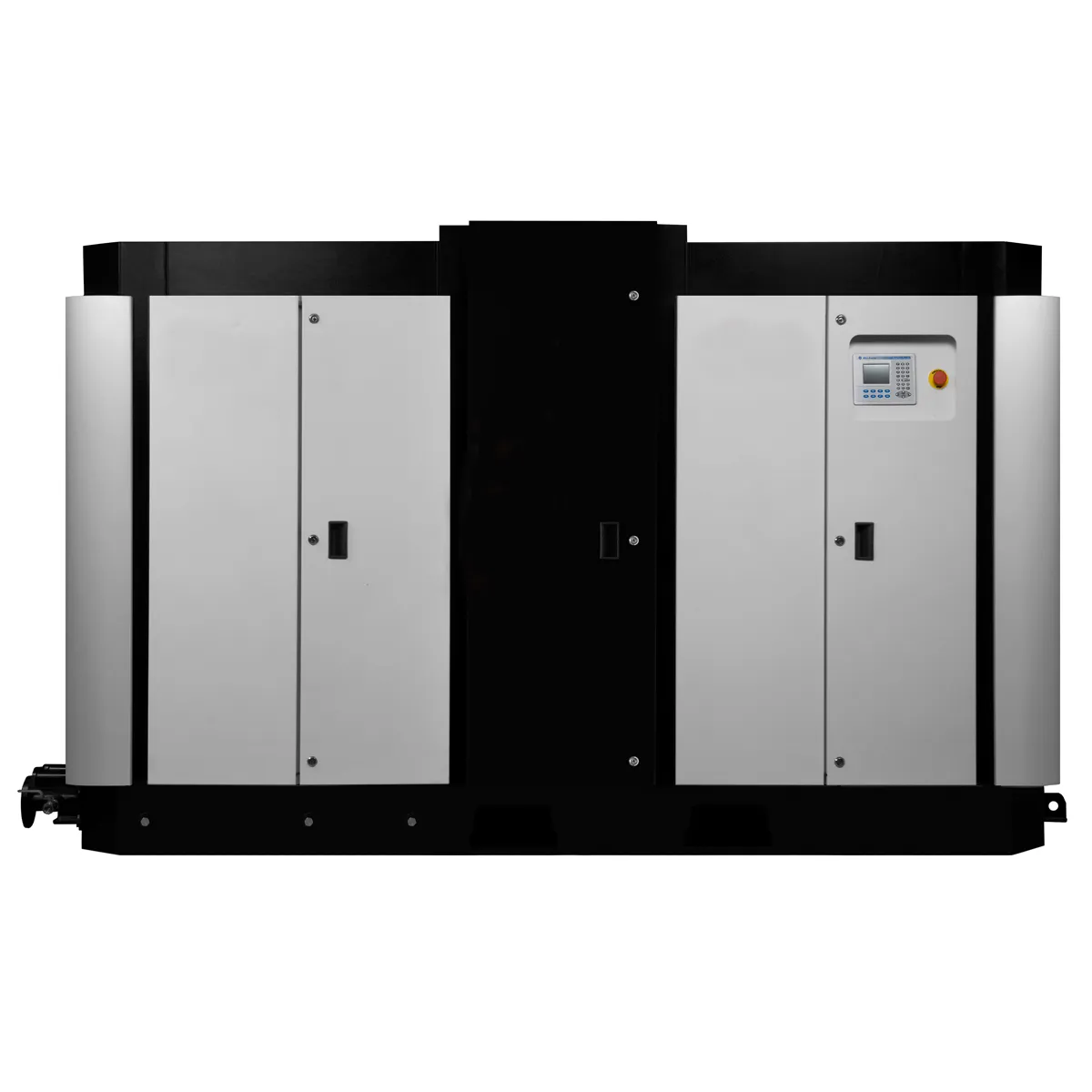
Regular maintenance of oil-free compressors preserves the oil-free performance that oxygen service demands
Monitor Piston Ring Wear
PTFE and carbon piston rings wear gradually over time, and as they thin, bypass increases and compression efficiency drops. Check ring thickness at the intervals specified by the manufacturer, typically every 2000 to 4000 hours.
Replace Intake Filters Regularly
Even without oil in the system, particulate from piston ring wear can contaminate the gas stream. Change intake filters at or before the manufacturer interval, typically every 500 to 2000 hours depending on operating environment.
Inspect Valve Assemblies
Suction and discharge valves in reciprocating oil-free oxygen compressors are under high stress. Inspect valve plates and springs annually and replace when wear is evident, before failure occurs.
Clean Intercoolers
Interstage coolers accumulate moisture condensate and particulate that reduce heat transfer efficiency. Drain condensate daily and inspect cooler internals annually.
Test Oil-Free Performance
Periodically verify that the compressor output meets the specified oil concentration limit using an inline oil vapour analyser or laboratory gas chromatography sample analysis. Document results for quality management records.
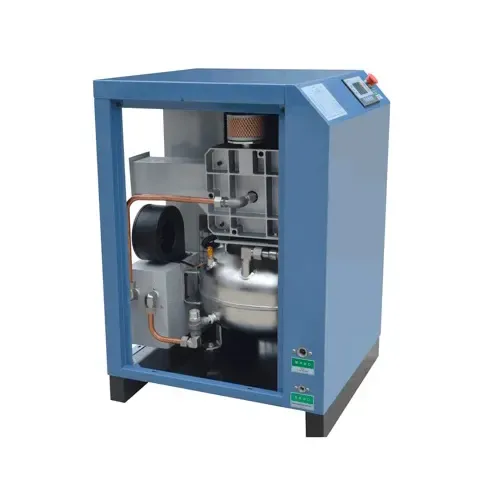
Modern oil-free compressors deliver outstanding performance and reliability in medical oxygen service
Frequently Asked Questions
Get Expert Advice Today
Send us your specifications and receive a tailored recommendation within 24 hours.