
Oxygen Compressors: The Complete Product Landscape
Oxygen compressors form a diverse product family covering applications from sub-kilowatt homecare filling units to multi-megawatt industrial gas plant machines. Understanding the full oxygen compressors product landscape helps buyers, engineers, and procurement teams identify the right product category quickly and avoid costly misspecification.
This complete product guide systematically covers every major category of oxygen compressor, the defining characteristics of each, the markets they serve, and the key commercial and technical factors that differentiate one product from another. Whether you are procuring your first oxygen compressor or expanding an existing oxygen infrastructure, this guide provides the structured overview you need.
Further Reading: Looking for the best oil-free air compressors for industrial and medical applications? Visit our comprehensive guide at
oil-free-air-compressor.com for expert reviews, specifications, and buying advice on premium oil-free compressor technology.
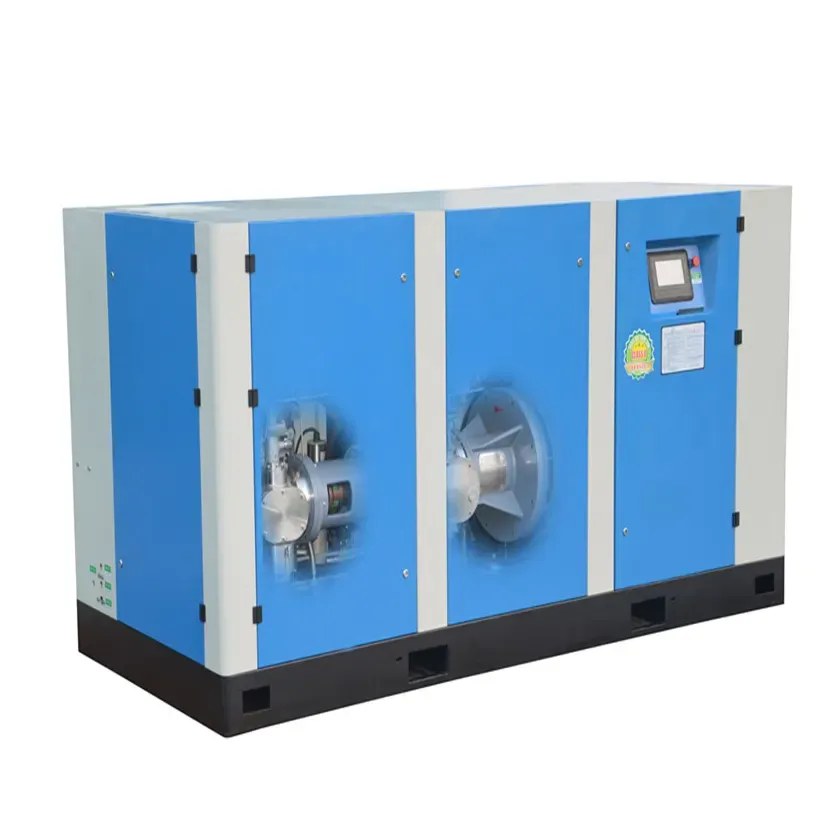
The oxygen compressors market covers an enormous range of products from homecare units to industrial plant machinery
Product Category 1: Medical and Homecare Oxygen Compressors
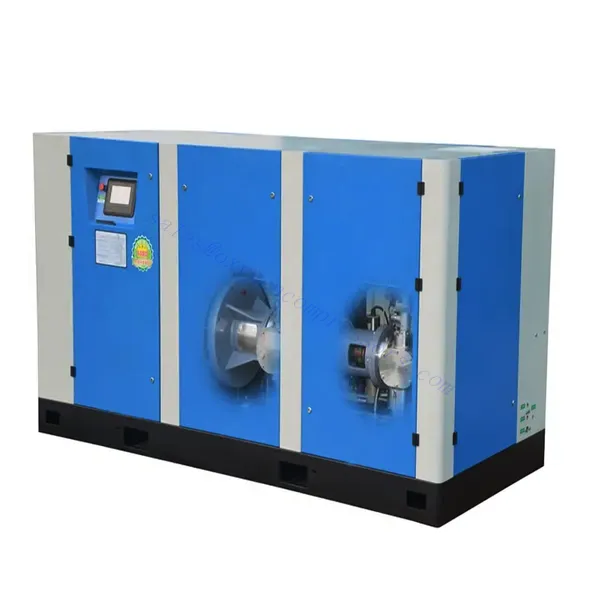
Medical and homecare oxygen compressors are engineered for patient safety and regulatory compliance
Medical oxygen compressors and homecare filling units represent the most tightly regulated segment of the market. Every device must meet pharmacopoeial oxygen purity standards, comply with medical device regulations such as the EU MDR or US FDA 21 CFR Part 868, and demonstrate biocompatibility of all materials that come into contact with the oxygen supply.
Key products in this category include HomeFill cylinder filling units, integrated concentrator-compressor systems for home therapy, and hospital PSA plant compressor packages. These products are characterised by quiet operation, oil-free technology, long continuous duty ratings, and comprehensive safety monitoring.
Medical oxygen compressors must maintain oxygen purity above 90 percent (PSA concentrator-based systems) or 99.5 percent (cylinder and liquid oxygen based systems) at all times. Any purity drop below specification should trigger an automatic alarm and supply cutoff.
Product Category 2: Industrial Cylinder Filling Compressors
Industrial oxygen cylinder filling compressors serve the commercial industrial gas market, medical gas distributors, welding and cutting supply companies, and organisations that fill cylinders for resale or internal use. These machines typically compress oxygen to 200 or 300 bar and are designed for continuous or semi-continuous operation over long daily periods.
The key product variants in this category are standalone piston booster compressors, packaged cylinder filling stations with storage cascade and filling manifold, and high-throughput multi-compressor filling plants with automated cylinder handling. Capacity ranges from 2 to 3 cylinders per hour for small single-cylinder compressors up to 100 or more cylinders per hour for large automated plants.
Single Piston Booster
Entry-level industrial filling compressor for 5 to 20 cylinders per day. Lower capital cost, moderate throughput.
Packaged Filling Station
Complete station with compressor, storage cascade, manifold, and analyser. 20 to 100 cylinders per day.
Multi-Compressor Plant
High-throughput automated filling with cylinder tracking, batch recording, and 100 to 1000+ cylinders per day.
Product Category 3: PSA Plant Feed Compressors
PSA (Pressure Swing Adsorption) oxygen generation plants require a reliable supply of clean, dry, oil-free compressed air at pressures of 4 to 10 bar. The feed air compressor is the first and most critical component in the PSA oxygen generation chain. Any oil contamination, excess moisture, or pressure fluctuation in the feed air directly degrades concentrator performance and sieve bed lifetime.
Oil-free rotary screw and oil-free reciprocating piston compressors dominate this category. Key selection criteria include specific power consumption (lower is better), integrated dryer performance (pressure dew point below minus 40 degrees Celsius), and filter system effectiveness.
| PSA Plant Size | O2 Output | Feed Air Flow Required | Recommended Compressor Type |
|---|---|---|---|
| Mini PSA | 1 to 10 Nm3/h O2 | 5 to 50 Nm3/h air | Oil-free piston or scroll |
| Small PSA | 10 to 50 Nm3/h O2 | 50 to 250 Nm3/h air | Oil-free piston, 2-stage |
| Medium PSA | 50 to 200 Nm3/h O2 | 250 to 1000 Nm3/h air | Oil-free screw, 37 to 90 kW |
| Large PSA | 200 to 1000 Nm3/h O2 | 1000 to 5000 Nm3/h air | Oil-free screw, 90 to 400 kW |
| Very large PSA | Above 1000 Nm3/h O2 | Above 5000 Nm3/h air | Oil-free centrifugal or screw |
Product Category 4: High Pressure Industrial Oxygen Compressors
For applications requiring oxygen at pressures from 50 bar up to 350 bar, specialist multi-stage reciprocating piston compressors are the standard solution. These machines are found in chemical plants performing partial oxidation reactions, specialty gas producers filling high-pressure cylinders, fire service and diving equipment filling stations, and aerospace testing facilities.
Key product features to evaluate in this category include the number of compression stages, intercooler design and effectiveness, pressure vessel certification (PED in Europe, ASME in North America), and the materials of construction documentation that proves oxygen service compatibility.
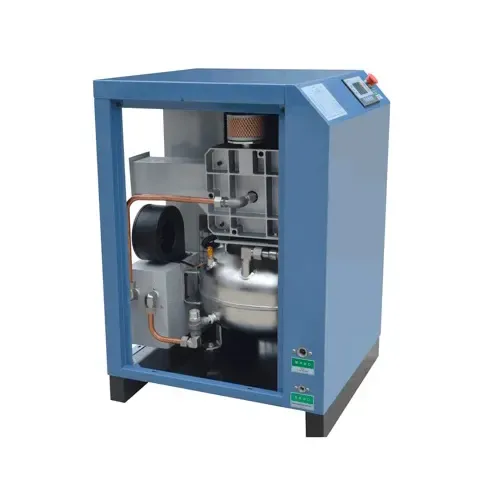
High-pressure industrial oxygen compressors use multi-stage piston technology with interstage cooling
How to Navigate the Oxygen Compressors Market
Start with Application and Pressure
Define your end application and the target outlet pressure. This single factor narrows the product category immediately and eliminates most of the market from consideration.
Determine Flow Rate and Duty
Calculate the required oxygen flow in Nm3/h and the expected duty cycle (hours per day). These two numbers define the compressor capacity and motor rating needed.
Shortlist Certified Suppliers
For medical and regulated industrial applications, shortlist only suppliers who can provide relevant certifications, material documentation, and oxygen-service cleaning records. Request references from comparable installations.
Compare Total Cost of Ownership
Obtain complete packages from at least three suppliers and compare specific power consumption, maintenance intervals, parts costs, and warranty terms side by side over a 10-year horizon.
Evaluate Support Infrastructure
Confirm that your chosen supplier has service engineers within a reasonable travel distance, holds critical spare parts in local stock, and can commit to response time guarantees for emergency breakdowns.
Frequently Asked Questions
Get Expert Advice Today
Send us your specifications and receive a tailored recommendation within 24 hours.