
Industrial Oxygen Compressor: The Complete Overview
Industrial oxygen compressors represent some of the most technically demanding compression equipment in use today. Spanning applications from small-scale medical gas filling to multi-megawatt steel plant oxygen injection systems, the range of industrial oxygen compressor configurations, materials, and performance specifications is enormous.
This guide provides a systematic breakdown of the main types of industrial oxygen compressor, the key specifications that define performance, and a structured framework for evaluating and selecting the right unit for your application. Whether you are specifying a system for a new chemical plant, upgrading an ageing cylinder filling station, or integrating oxygen compression into a PSA generation system, this reference covers every critical factor.
Further Reading: Looking for the best oil-free air compressors for industrial and medical applications? Visit our comprehensive guide at
oil-free-air-compressor.com for expert reviews, specifications, and buying advice on premium oil-free compressor technology.
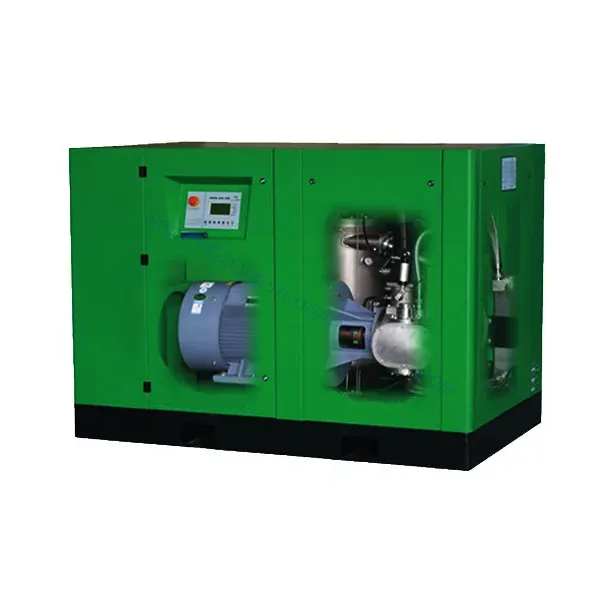
Large-scale industrial oxygen compressor installations serve steel, chemical, and medical gas industries
The Three Main Types of Industrial Oxygen Compressor
1. Reciprocating Piston Oxygen Compressors
Reciprocating piston compressors are the workhorses of industrial oxygen compression for pressures from 10 to 350 bar. They use pistons driven by a crankshaft to compress gas in discrete cylinder volumes. For oxygen service, all wetted components are constructed from oxygen-compatible materials and the compression is oil-free, achieved through PTFE piston rings or ceramic-coated cylinder bores.
Industrial oxygen compressor piston units are available in single-stage configurations (up to approximately 25 bar), two-stage (up to approximately 100 bar), and multi-stage designs reaching 350 bar. Each stage is equipped with interstage coolers that bring the gas temperature back to safe levels before the next compression stage.
2. Rotary Screw Oxygen Compressors
Oil-free rotary screw compressors dominate the low-to-medium pressure range for industrial oxygen applications, typically operating between 3 and 15 bar and delivering large volumes continuously. The twin-screw element runs dry with precisely machined profiles that maintain a small clearance without contact, eliminating the need for lubricants in the compression chamber.
For oxygen-compatible industrial oxygen compressor applications at these pressures, dry screw technology is preferred over oil-flooded screw due to the complete absence of lubricant in the gas path. This is particularly important for PSA oxygen plant feed air systems and medium-pressure pipeline supply.
3. Centrifugal (Turbo) Oxygen Compressors
For very high-flow industrial applications, centrifugal compressors achieve the massive throughputs required by large steel mills, glass manufacturers, and industrial gas producers. These machines use high-speed impellers to impart kinetic energy to the gas, converting it to pressure through a diffuser stage.
Centrifugal oxygen compressors are inherently oil-free in the gas path (though bearing systems may be oil-lubricated with robust sealing systems). They deliver consistent, pulse-free flow with excellent energy efficiency at very large scales, but have a steep cost penalty and are unsuitable for small or variable flow applications.
Key Specifications Explained
| Specification | What It Means | Typical Range | Why It Matters |
|---|---|---|---|
| Inlet Pressure | Pressure of oxygen at compressor entry | 0.5 to 10 bar | Determines compression ratio needed |
| Discharge Pressure | Target pressure at compressor outlet | 10 to 350 bar | Must match application requirements |
| Flow Rate (Nm3/h) | Volume of gas compressed per hour at normal conditions | 1 to 10,000+ Nm3/h | Must match your oxygen demand |
| Power Consumption | Electrical power required | 0.5 to 5000 kW | Drives operating cost calculations |
| Specific Power | kW per Nm3/h of capacity | 0.3 to 0.8 kW per Nm3/h | Energy efficiency indicator |
| Cooling Method | Water-cooled or air-cooled | Both available | Affects installation requirements |
| Noise Level | Sound pressure level at 1 metre | 65 to 85 dB(A) | Affects plant room design |
| Duty Cycle | Percentage of time at full load | Intermittent or continuous | Affects sizing and motor specification |
Industrial Oxygen Compressor Buying Guide
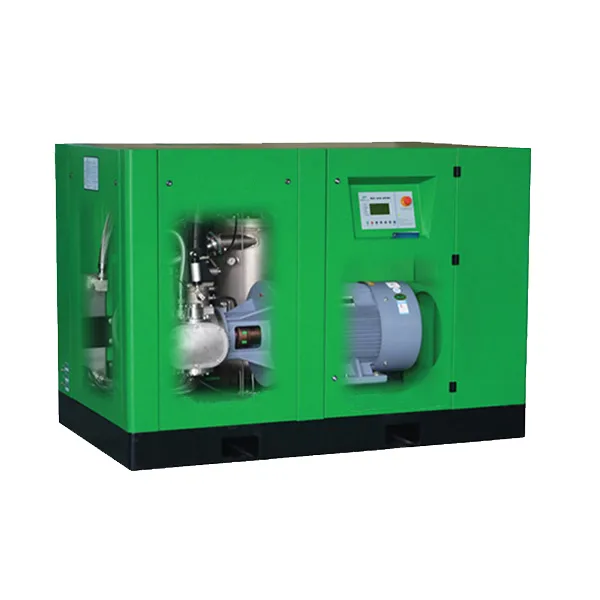
Selecting the right industrial oxygen compressor requires systematic evaluation of pressure, flow, and purity requirements
Step 1: Define Your Oxygen Specification
The first step in selecting an industrial oxygen compressor is to fully characterise your oxygen source and end-user requirements. Document the inlet oxygen purity, minimum and maximum inlet pressure, required outlet pressure, flow rate at normal conditions (0 degrees Celsius, 1 bar), duty cycle (hours per day), and any purity-preservation requirements.
Step 2: Select Compressor Technology
Match compressor technology to your pressure and flow range using the type overview above. For pressures below 15 bar and flows above 200 Nm3/h, a dry screw is typically most cost-effective. For pressures above 50 bar, a reciprocating multi-stage unit is the standard choice. For very high flows above 1000 Nm3/h at any pressure, evaluate centrifugal options.
Step 3: Verify Oxygen Compatibility
Require the compressor manufacturer to provide a full material list for all wetted components and confirm compliance with EIGA Doc 33 (Europe) or CGA G-4.4 (North America) for oxygen-compatible materials and cleanliness standards.
Step 4: Evaluate Total Cost of Ownership
Calculate the total cost of ownership over a 15-year horizon including purchase price, installation, energy cost (use specific power consumption at your electricity rate), planned maintenance parts, and major overhaul costs. The lowest purchase price industrial oxygen compressor is rarely the most economical choice over a plant lifetime.
Industries Served by Industrial Oxygen Compressors
Steel and Metal
Blast furnace enrichment, electric arc furnace injection, and ladle metallurgy oxygen injection.
Chemicals and Petrochemicals
Partial oxidation, ethylene production, and catalyst regeneration processes.
Pharmaceutical
Fermentation oxygen supply, sterile gas environments, and laboratory analytical systems.
Environmental
Wastewater aeration, advanced oxidation for micropollutant removal, and ozone generation.
Electronics
Semiconductor wafer oxidation, flat panel display production, and photovoltaic cell manufacturing.
Medical Gas
Hospital central supply, cylinder filling stations, and on-site PSA plant compression trains.
Frequently Asked Questions
Ready to Find the Right Oxygen Compressor?
Our engineering team is ready to help you select the ideal unit for your application.